
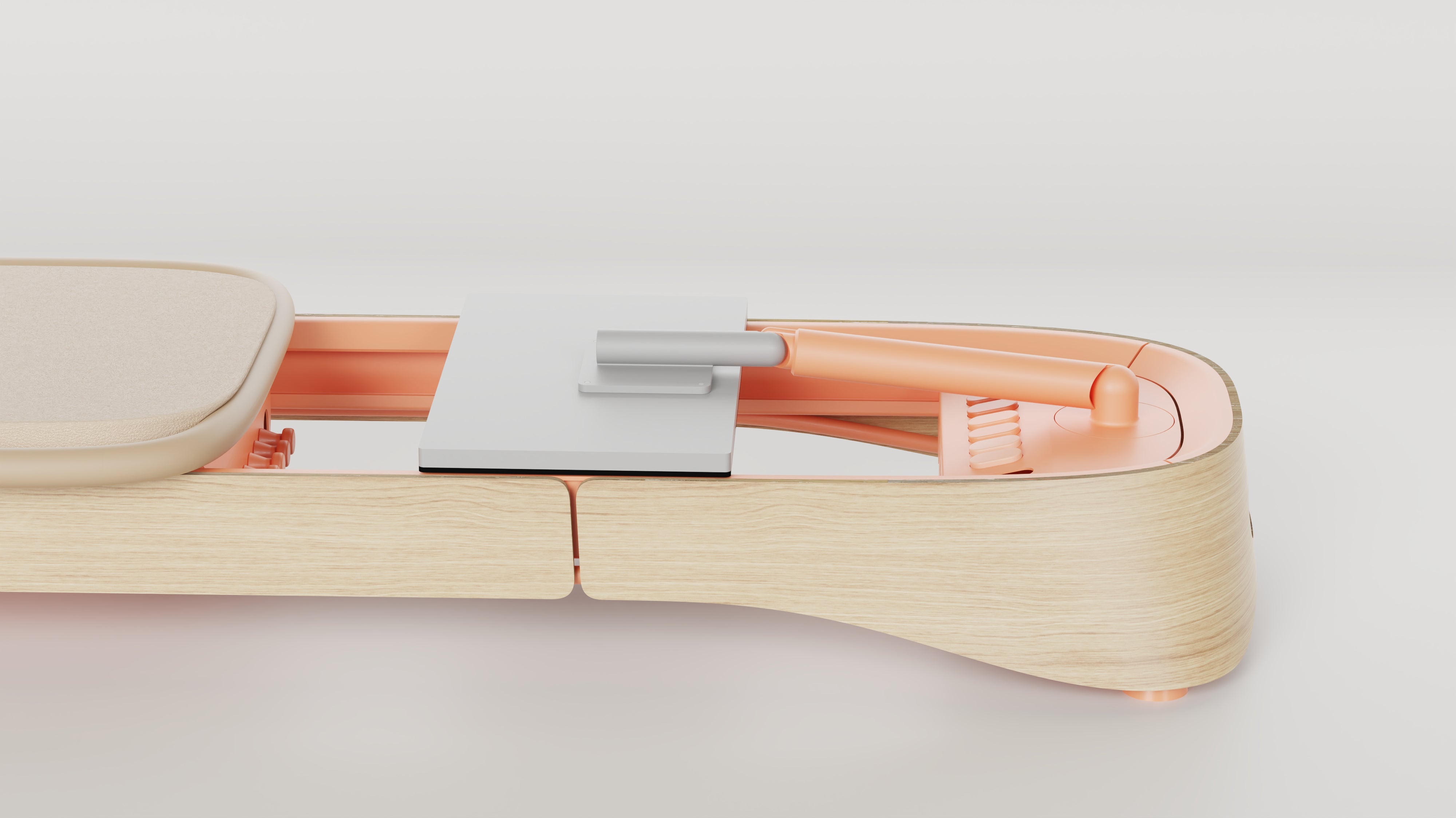
Choosing the right reformer can feel like navigating a maze of specifications, training philosophies, and design nuances. Two of the most talked-about options on the market are the Frame fitness reformer and the Frame pilates reformer. Both machines promise a blend of durability, smooth motion, and adaptable resistance, yet they cater to slightly different training goals and studio environments. This article breaks down the core differences, highlights key features, and helps you determine which model aligns best with your personal fitness objectives or business needs.
Core Design Philosophy
Understanding the underlying design intent clarifies why each reformer performs the way it does.
Frame fitness reformer
- Engineered for high-intensity functional training alongside classic Pilates.
- Heavy-duty steel frame with reinforced joints for maximum stability.
- Integrated cable system that allows rapid changes in resistance without manual adjustments.
Frame pilates reformer
- Focused on the traditional Pilates method, emphasizing fluid movement and precise alignment.
- Aluminum alloy construction reduces overall weight while maintaining rigidity.
- Classic spring-based resistance that mimics the feel of vintage studio equipment.
Performance Features
Both reformers deliver smooth gliding and reliable resistance, but the mechanisms differ enough to affect user experience.
Resistance Systems
- Frame fitness reformer: Uses a digital pulley system that can be programmed via a tablet interface. This allows for progressive overload programs and real-time data tracking.
- Frame pilates reformer: Relies on interchangeable springs ranging from light to heavy, offering tactile feedback favored by purists.
Adjustability & Ergonomics
- Both models feature adjustable footbars, headrests, and carriage stops, but the fitness reformer includes a motorized carriage that can be set to multiple speeds.
- The Pilates reformer’s manual carriage provides a more hands-on feel, which can enhance body awareness during slower, controlled movements.
Ideal User Profiles
Matching the equipment to the user ensures better outcomes and higher satisfaction.
Who benefits most from the Frame fitness reformer?
- Athletes seeking cross-training that blends strength, cardio, and mobility.
- Studio owners who want a versatile machine that can serve both Pilates classes and functional-training workshops.
- Clients who appreciate data-driven workouts; the digital interface integrates with fitness apps.
Who benefits most from the Frame pilates reformer?
- Practitioners dedicated to the classical Pilates method.
- Therapists and rehabilitation specialists who need precise, low-impact resistance.
- Studios that prioritize a traditional aesthetic and a quieter, spring-only operation.
Maintenance & Longevity
Long-term reliability is a key consideration for any investment.
- Both models are built with corrosion-resistant finishes, but the fitness reformer’s electronic components may require occasional software updates.
- The Pilates reformer’s purely mechanical design means fewer moving parts, translating to lower routine maintenance costs.
- Regardless of choice, regular cleaning of the carriage rails and checking spring tension are recommended practices.
Cost Considerations
Pricing reflects the technology and intended use case.
- Frame fitness reformer: Higher upfront cost due to digital integration and heavier steel construction.
- Frame pilates reformer: More affordable for studios focused solely on Pilates, with optional upgrades available.
Making the Decision
When the choice comes down to preference, consider the following decision matrix:
- Do you need programmable resistance and data tracking? Discover expert strategies here.
- Is a classic, spring-based feel essential for your teaching style? Learn about our tailored solutions.
- Will the machine serve multiple class formats in a commercial setting? Explore advanced guides and tips.
- Are you focused on a quiet, low-maintenance environment? Find out more about this approach.
Conclusion
Both the Frame fitness reformer and the Frame pilates reformer excel in their respective niches. The fitness reformer shines for those who value versatility, technology, and high-intensity training, while the Pilates reformer remains the go-to choice for purists seeking authentic, low-impact movement. By aligning the machine’s strengths with personal or studio objectives, you can invest confidently in equipment that supports lasting results and client satisfaction.
