
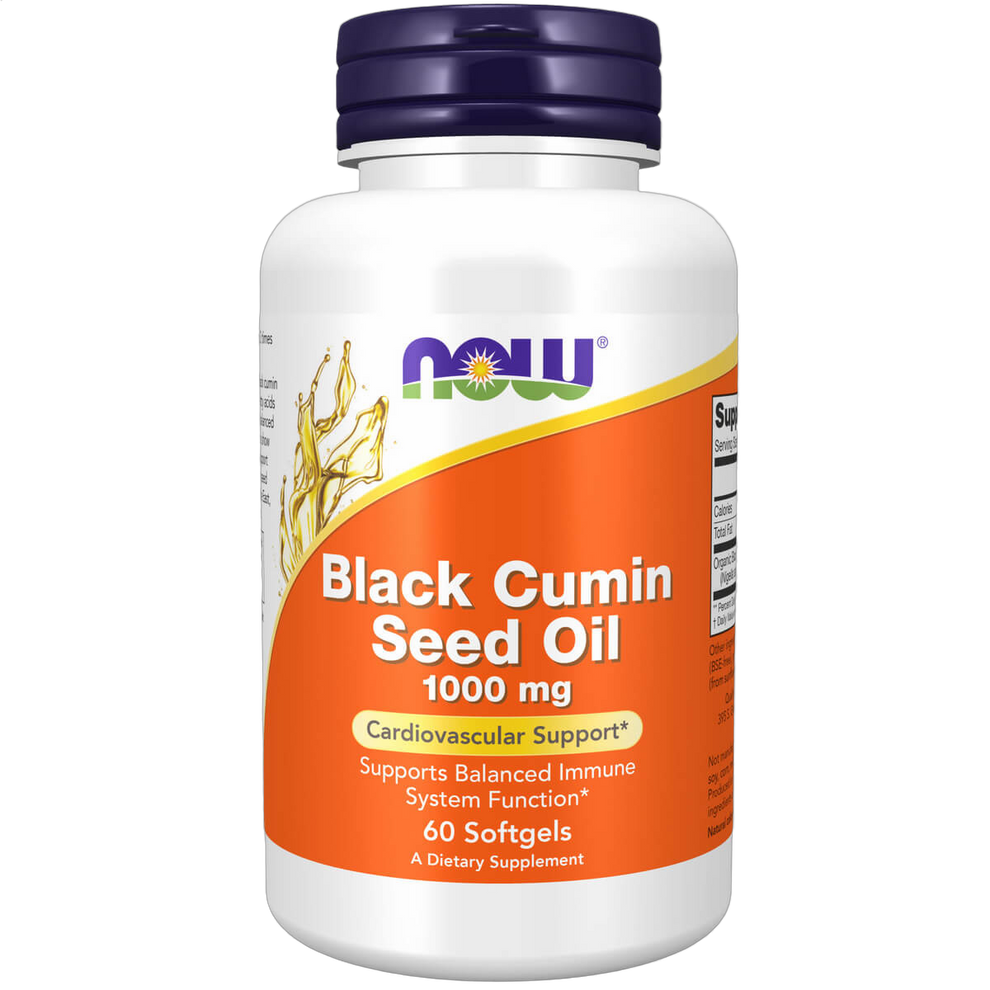
Black cumin seed oil tablets have become a popular supplement for those seeking natural support for immunity, inflammation, and overall well-being. With a growing market and numerous formulations, selecting the right product can feel overwhelming. This guide breaks down the essential factors to consider, quality, dosage, additional ingredients, and third-party testing, so you can make an informed decision that aligns with personal health goals.
Understanding Black Cumin Seed Oil
Derived from the seeds of Nigella sativa, black cumin seed oil is prized for its high concentration of thymoquinone, a compound noted for antioxidant and anti-inflammatory properties. When encapsulated, the oil offers a convenient, consistent dose without the taste challenges of liquid forms.
Key Benefits
- Supports a balanced immune response.
- Helps maintain healthy inflammatory pathways.
- Provides essential fatty acids (Omega-3, Omega-6) for cellular health.
- May aid in respiratory comfort and digestive balance.
Critical Quality Indicators
Not all black cumin seed oil tablets are created equal. Evaluating the following criteria will help ensure you choose a product that delivers the promised benefits.
1. Source of the Seeds
- Look for suppliers that source seeds from regions renowned for high thymoquinone levels, such as the Middle East or Mediterranean.
- Organic certification can indicate reduced pesticide exposure.
2. Extraction Method
- Cold-pressed extraction preserves the delicate phytochemicals better than heat-based methods.
- CO??? extraction is another premium technique that yields a pure, solvent-free oil.
3. Standardization
- Products that standardize thymoquinone content (e.g., 5%-10%) provide a reliable potency across batches.
- Check the label for exact percentages or milligram amounts per tablet.
Dosage and Formulation Considerations
Effective dosing varies based on individual health status, age, and specific goals. Most reputable brands recommend 500″?mg to 1,000″?mg per day, divided into one or two tablets.
Factors Influencing the Ideal Dose
- Health objectives: Immune support may require a lower daily dose, while chronic inflammation could benefit from the higher end of the range.
- Body weight: Larger individuals often need more to achieve systemic effects.
- Concurrent supplements: If taking other omega-3 or antioxidant products, adjust the black cumin dosage to avoid excessive intake.
For personalized guidance, Discover expert strategies here and explore dosage calculators tailored to individual profiles.
Additional Ingredients and Synergy
Some tablets combine black cumin oil with complementary nutrients to enhance absorption or broaden health benefits. Common additions include:
- Vitamin E: Acts as an antioxidant, protecting the oil from oxidation.
- Black pepper extract (piperine): Increases bioavailability of thymoquinone.
- Omega-3 fish oil: Provides a broader spectrum of essential fatty acids.
When evaluating blended formulas, ensure that each component is clearly disclosed and that the primary focus remains on black cumin seed oil. Over-fortified products can dilute the intended effect.
Third-Party Testing and Transparency
Independent laboratory verification is a hallmark of quality. Look for products that provide:
- Certificates of Analysis (COA) confirming thymoquinone concentration.
- Testing for heavy metals, microbial contamination, and residual solvents.
- Clear labeling of batch numbers and manufacturing dates.
Brands that openly share these documents demonstrate confidence in their manufacturing standards. To view examples of such transparency, Learn about our tailored solutions.
Packaging, Shelf Life, and Storage
Proper packaging protects the oil from light, heat, and oxygen, factors that can degrade thymoquinone. Preferred packaging features include:
- Opaque, amber-colored bottles or blister packs.
- Desiccant packets to control moisture.
- Tamper-evident seals for safety.
Store tablets in a cool, dry place away from direct sunlight. Most high-quality products maintain potency for 24″?months when unopened.
Price vs. Value Assessment
While cost is a practical consideration, the cheapest option may compromise on extraction method, standardization, or testing. Evaluate value based on the following:
- Concentration of active compounds per tablet.
- Number of tablets per bottle and recommended daily intake.
- Presence of third-party verification.
- Overall brand reputation and customer feedback.
For a curated list of competitively priced, high-quality options, Explore advanced guides and tips that compare formulations side by side.
Final Checklist Before Purchase
- Confirm seed origin and organic certification.
- Verify cold-pressed or CO??? extraction method.
- Check thymoquinone standardization (5%-10% preferred).
- Match dosage to personal health goals and body weight.
- Review any additional ingredients for synergy or potential interactions.
- Ensure third-party COA is available and up-to-date.
- Assess packaging quality and storage recommendations.
- Compare price per active milligram rather than per bottle.
By systematically applying these criteria, selecting the right black cumin seed oil tablets becomes a straightforward, evidence-based process. For further reading and to explore a vetted selection of products, Find out more about this approach.
