
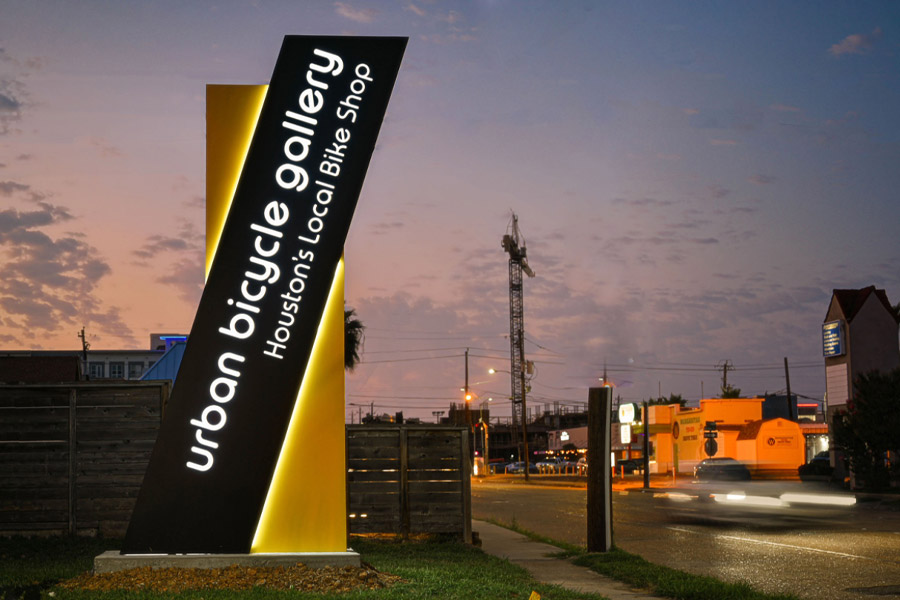
Custom signage fabrication is an essential aspect of brand identity and marketing strategies for businesses across various industries. Whether for storefronts, corporate offices, or public spaces, custom signs serve as a critical communication tool, conveying messages and enhancing visibility. This article will delve into the fundamental aspects of custom signage fabrication, focusing on the materials, design considerations, and fabrication processes that ensure quality and durability.
Understanding the Basics of Custom Signage Fabrication
Custom signage fabrication involves creating unique signs tailored to specific requirements and preferences. This process encompasses several stages, from design to installation, each crucial for achieving the desired outcome.
Key Materials Used in Custom Signage
Choosing the right materials is vital for the longevity and effectiveness of custom signs. Common materials include:
- Acrylic: Known for its versatility and durability, acrylic is a popular choice for modern, sleek signage.
- Metal: Options like aluminum and stainless steel offer robustness and an industrial aesthetic.
- Wood: Provides a classic, rustic look suitable for certain types of businesses.
- Vinyl: Ideal for temporary or promotional signs due to its affordability and ease of use.
Each material has its own set of advantages and considerations. Explore further insights here on how to select the best material for specific needs.
Design Considerations for Effective Signage
The design phase is crucial in ensuring that the signage effectively communicates the intended message. Key design elements include:
- Color Scheme: Colors should align with the brand while ensuring visibility and readability.
- Typography: Fonts must be legible from a distance and reflect the brand’s personality.
- Size and Scale: The sign should be proportionate to its placement location and purpose.
- Graphics and Logos: Incorporating brand logos and graphics can enhance recognition and appeal.
For more on effective design strategies, read more about this topic.
The Fabrication Process
The fabrication process involves several steps that transform design concepts into physical signage. Understanding this process helps in making informed decisions and ensuring quality outcomes.
Steps Involved in Fabrication
- Design Approval: Finalizing the design is the first step, ensuring it meets all specifications and requirements.
- Material Selection: Choosing the right materials based on the design and environmental considerations.
- Cutting and Shaping: Precision cutting technologies such as CNC machines are often used to shape materials accurately.
- Assembly: Assembling different components, whether it’s attaching letters to a frame or mounting a signboard.
- Finishing Touches: This includes painting, polishing, or applying coatings to ensure durability and aesthetic appeal.
Learn more in this detailed guide on the intricacies of the fabrication process.
Installation and Maintenance
Once fabricated, proper installation is key to ensuring that the sign functions correctly and safely. Regular maintenance is also important to preserve the sign’s appearance and extend its lifespan.
Installation Considerations
- Location: The placement should optimize visibility and comply with local regulations.
- Mounting Techniques: Use appropriate methods to secure the sign, preventing weather-related damage.
- Electrical Components: For illuminated signs, ensure that electrical installations are safely executed.
For comprehensive insights on installation methods, find additional information here.
Maintenance Tips
- Regular Cleaning: Keep the sign clean to maintain its brightness and impact.
- Inspect for Damage: Regular checks can catch issues like fading or structural damage early.
- Update Information: Ensure that the content is always current and relevant.
Routine maintenance not only preserves the sign?s appearance but also ensures it remains a valuable asset for brand communication.
In conclusion, custom signage fabrication is a complex yet rewarding process that requires careful consideration of materials, design, and fabrication techniques. By understanding these elements, businesses can create impactful signs that effectively communicate their brand message and stand the test of time. For further reading, explore additional insights here.
