
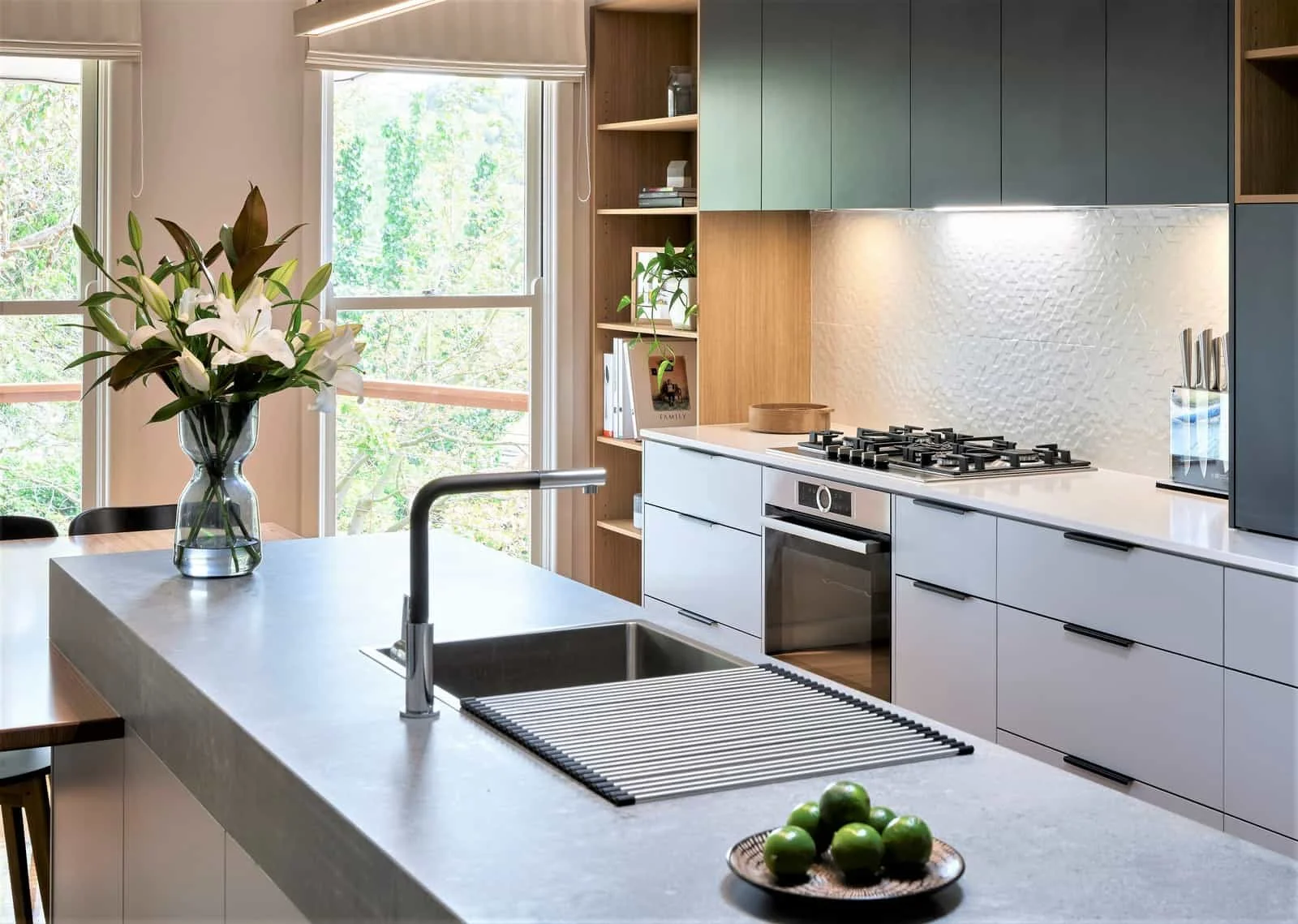
Sydney’s dynamic real estate market demands properties that are not only functional but also aesthetically appealing. Strata renovations, which involve the renovation of common areas and individual units within a shared property, are a strategic way to enhance the value of such properties. These renovations can significantly impact the property’s market value and desirability. As property owners and managers look towards modernizing and improving their spaces, understanding the nuances of strata renovation becomes essential. Delve into the intricacies of strata renovation to ensure that every investment made yields substantial returns.
The Importance of Strata Renovations
Strata renovations offer a multitude of benefits that extend beyond mere visual improvements. They are integral to maintaining the property’s structural integrity and ensuring that it meets the current standards of living. Here are some reasons to consider:
- Increased Property Value: Renovations can boost the overall value of the property, making it more attractive to potential buyers or tenants.
- Enhanced Aesthetic Appeal: Modern designs and up-to-date finishes can make a property stand out in a competitive market.
- Improved Functionality: Renovations can address any existing issues with layout or space utilization, making areas more practical and user-friendly.
- Compliance with Regulations: Keeping up with the latest building codes and regulations is crucial for safety and legality.
Steps to a Successful Strata Renovation
Achieving a successful strata renovation requires careful planning and execution. Here are the steps typically involved:
1. Planning and Assessment
Begin by assessing the current state of the property. Identify areas that require attention and prioritize them based on urgency and impact. Engaging with professionals who specialize in strata renovations can provide valuable insights and expertise. Discover expert strategies here.
2. Budgeting
Establish a clear budget that encompasses all aspects of the renovation. This includes materials, labor, and contingency funds for unexpected expenses. A well-defined budget helps prevent overspending and ensures that the project stays on track.
3. Design and Approval
The design phase involves creating a blueprint that aligns with the desired aesthetic and functional outcomes. It is crucial to obtain approval from the strata committee or relevant authorities to ensure compliance with community guidelines and regulations. Learn about our tailored solutions.
4. Execution
The execution phase is where the actual renovation work takes place. Hiring experienced contractors who understand the intricacies of working within a strata property is essential. They should coordinate with various stakeholders to minimize disruptions to the residents.
5. Final Inspection and Handover
Once the renovation is complete, conduct a thorough inspection to ensure that all work has been completed to the desired standard. Address any issues before finalizing the project and handing it over for use. Explore advanced guides and tips.
Choosing the Right Professionals
Partnering with experienced professionals can make a significant difference in the outcome of a strata renovation. Here are some factors to consider when selecting a service provider:
- Experience: Look for professionals with a proven track record in strata renovations.
- Portfolio: Review past projects to assess the quality and style of their work.
- References: Seek testimonials or references from previous clients to gauge satisfaction levels.
- Communication: Effective communication is vital to ensure that all parties are aligned with the project’s goals.
Finding the right team ensures that the renovation process is smooth and that the final result meets, or even exceeds, expectations. Find out more about this approach.
