
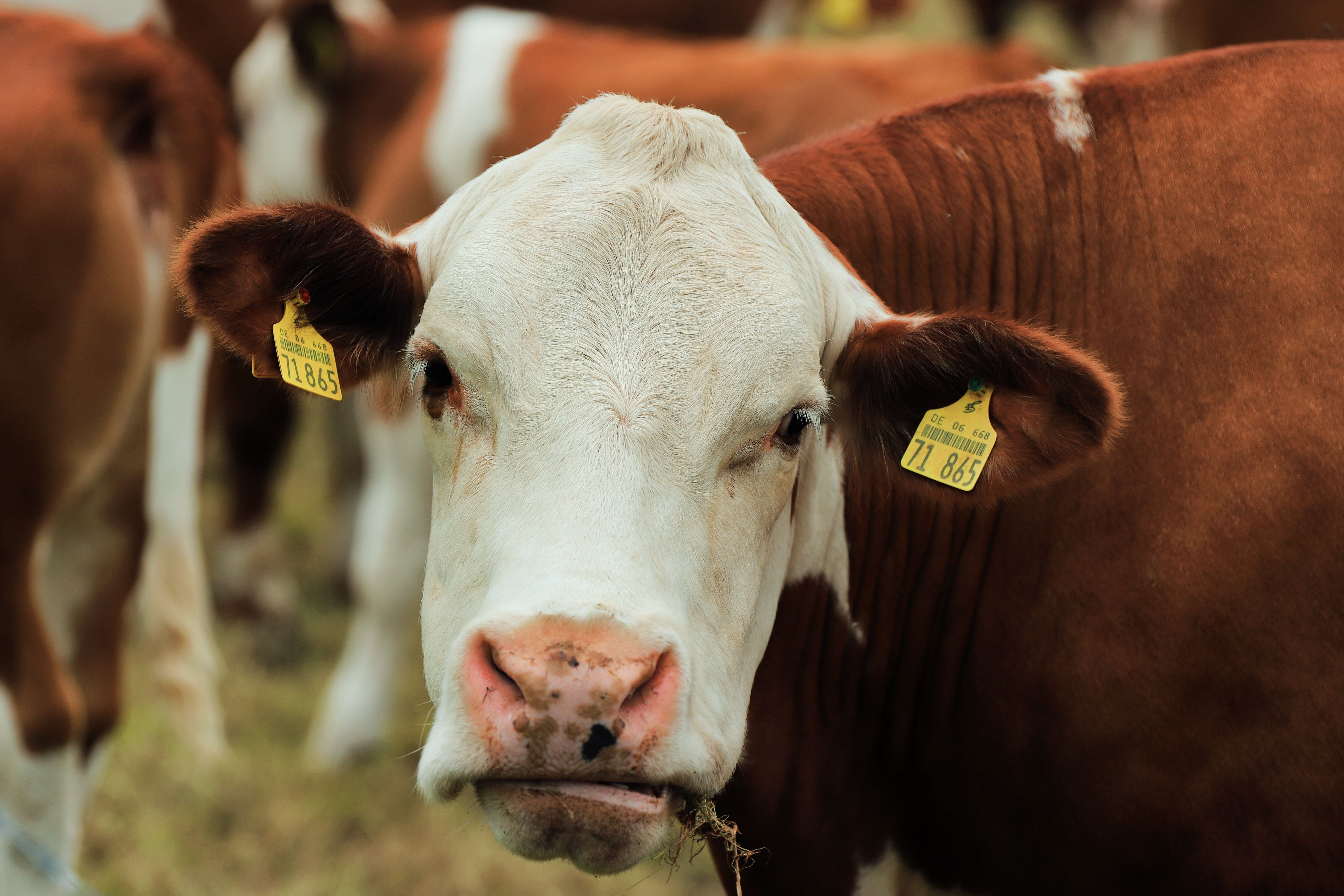
In recent years, the demand for transparency and quality in food production has significantly increased. In the lamb production industry, traceability from farm to table is crucial to ensure that consumers receive high-quality products. Traceability refers to the ability to track the history, application, or location of an entity through recorded identification. For lamb production, this means documenting each stage of production, processing, and distribution. By maintaining stringent traceability protocols, stakeholders can guarantee the safety, quality, and authenticity of lamb products.
The Importance of Traceability in Lamb Production
Traceability in lamb production is imperative for several reasons, supporting both consumer trust and industry integrity. It encompasses various benefits, including:
- Food Safety: Traceability systems help identify the source of any contamination quickly, allowing for swift recalls and reducing potential health risks.
- Quality Assurance: By tracking lamb from farm to table, producers can ensure that their products meet the necessary quality standards.
- Consumer Confidence: Transparency in the production process builds consumer trust, fostering loyalty and repeat purchases.
- Regulatory Compliance: Adhering to traceability requirements is often a legal obligation in many regions, ensuring that products meet international standards.
Explore further insights here on how traceability impacts food safety and consumer confidence: Read more about this topic.
Implementing Traceability Systems
To effectively implement traceability systems in lamb production, several key components must be considered:
Record Keeping
Accurate and detailed record keeping is fundamental. This includes documenting:
- The origins of the lamb, including breeding and rearing information.
- All processing stages, such as slaughtering and packaging.
- Distribution paths until reaching retail outlets.
Learn more in this detailed guide about the types of records necessary for maintaining comprehensive traceability.
Technology Integration
Advancements in technology have greatly enhanced traceability systems. Technologies such as RFID (Radio Frequency Identification), QR codes, and blockchain provide efficient and reliable ways to track products.
- RFID: Enables automatic identification and data capture, streamlining inventory management.
- QR Codes: Allow consumers to access detailed product information with a simple scan.
- Blockchain: Offers an immutable ledger, ensuring transparency and reducing the risk of fraud.
Find additional information here on how technology is revolutionizing traceability in the agricultural sector: Explore further insights here.
Challenges and Solutions in Traceability
While traceability offers numerous benefits, the implementation of such systems also presents challenges, including:
- Cost: Implementing comprehensive traceability systems can be expensive, particularly for small-scale producers.
- Data Management: Handling large volumes of data requires robust systems and expertise.
- Standardization: Variations in standards across regions can complicate traceability efforts.
Despite these challenges, solutions are available. Collaborative efforts among stakeholders, government support, and industry-wide standards can facilitate effective traceability. Find additional information here on addressing these challenges effectively.
Conclusion: The Future of Traceability in Lamb Production
As consumer awareness grows, the demand for transparency in food production will continue to rise. Traceability in lamb production not only ensures product quality and safety but also enhances trust between producers and consumers. By leveraging technology and fostering collaboration, the industry can overcome current challenges and set new standards for excellence in food production. For more detailed insights into the future of traceability, learn more in this detailed guide.
