
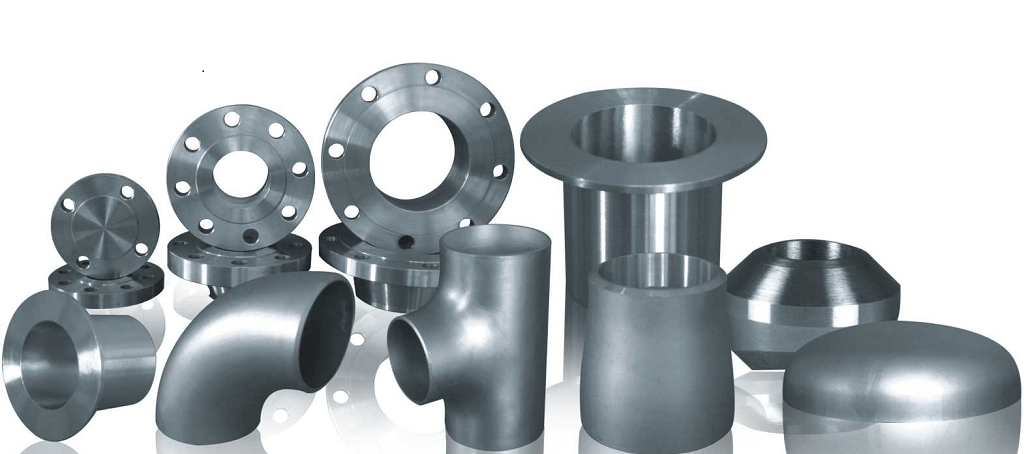
In the world of construction and engineering, the choice of materials and methods can make a significant difference in the longevity and safety of a structure. Among the critical components in industrial piping systems are steel pipes and their joints. Proper installation of these joints is imperative to ensure the efficiency, safety, and durability of the entire piping system. This article delves into why the correct installation of steel pipe joints holds such great importance, providing insights into best practices and common pitfalls.
The Role of Steel Pipe Joints in Piping Systems
Steel pipe joints are crucial connectors that maintain the integrity of piping systems. They are responsible for ensuring:
- The seamless flow of fluids and gases without leakage.
- Structural stability and resilience under various pressure conditions.
- Longevity and durability of the entire piping infrastructure.
Given their essential role, it is vital to choose the right type of steel pipe joint for specific applications, taking into account factors such as pressure, temperature, and the nature of the transported substances.
Types of Steel Pipe Joints
Selecting the appropriate joint type is crucial for ensuring optimal performance. Common types include:
Butt Weld Joints
These joints are known for their strength and reliability. They are ideal for high-pressure applications and are often used in industrial piping systems. Proper alignment and welding are key to avoiding leaks and maintaining joint integrity.
Socket Weld Joints
Typically used for small-diameter pipes, socket weld joints are easier to install and ideal for systems where leakage prevention is a priority. The pipes are inserted into a recessed area of the joint and then welded, providing a strong seal.
Threaded Joints
These joints are common in low-pressure applications and allow for easy disassembly and maintenance. Proper sealing with thread tape or compound is essential to prevent leaks.
Importance of Proper Installation
Correct installation of steel pipe joints is essential for several reasons:
- Prevention of Leakage: Properly installed joints minimize the risk of leaks, which can lead to costly repairs and potential safety hazards.
- System Efficiency: Well-installed joints ensure that the system operates at optimal efficiency, reducing energy consumption and operational costs.
- Longevity of Infrastructure: Quality installation extends the lifespan of the piping system, delaying the need for replacements and extensive repairs.
Best Practices for Joint Installation
Adhering to best practices during installation ensures the reliability and safety of the piping system. Consider the following guidelines:
- Ensure proper alignment and fit of pipes and joints to avoid stress and potential failure points.
- Use appropriate tools and techniques for welding and sealing joints to maintain integrity under pressure.
- Conduct thorough inspections and tests post-installation to detect any potential issues early on.
- Follow manufacturer guidelines and industry standards for installation processes.
By adhering to these practices, the risk of joint failure is significantly reduced, ensuring a safe and efficient piping system.
Common Pitfalls to Avoid
To maximize the benefits of steel pipe joints, avoid these common mistakes:
- Skimping on quality materials in an attempt to cut costs, which can lead to frequent repairs and safety hazards.
- Ignoring temperature and pressure ratings, which can cause premature joint failure.
- Overlooking regular maintenance, which is crucial for identifying wear and tear before it becomes a major issue.
Conclusion
The importance of proper steel pipe joint installation cannot be overstated. It plays a pivotal role in ensuring the safety, efficiency, and durability of piping systems across various industries. By understanding the different types of joints, adhering to best practices, and avoiding common pitfalls, engineers and contractors can safeguard their projects against failures and optimize system performance. For more detailed information and resources on steel pipe joints, industry professionals can explore dedicated platforms and consult with experts in the field.
