
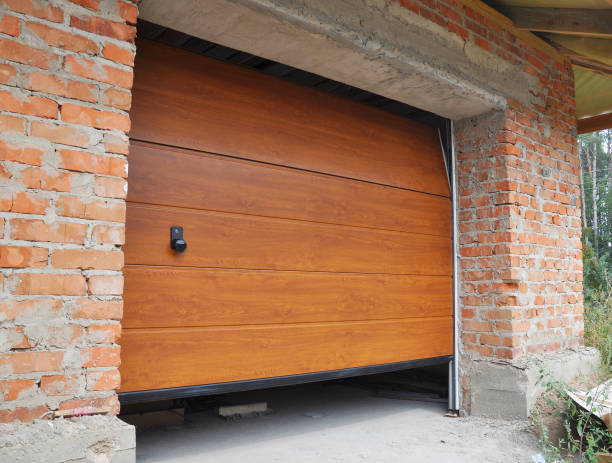
As colder months approach, maintaining a warm and comfortable environment in your home becomes a priority. One often overlooked area is the garage, which can significantly influence the overall temperature of your home. By investing in garage door insulation, homeowners can not only enhance the thermal efficiency of their garages but also reduce energy costs. This article delves into the benefits of insulating garage doors and provides insight into the different options available.
The Importance of Garage Door Insulation
Many homeowners underestimate the impact of an insulated garage door. However, the benefits extend beyond just retaining heat within the space. Here are some compelling reasons to consider insulation:
- Energy Efficiency: Insulation helps maintain a consistent temperature, reducing the need for excessive heating or cooling.
- Cost Savings: By minimizing the energy required to maintain desired temperatures, monthly utility bills are noticeably reduced.
- Enhanced Comfort: An insulated garage is more comfortable to use year-round, whether for storage, a workshop, or a recreational area.
- Noise Reduction: Insulation panels can dampen external noise, providing a quieter indoor environment.
- Increased Durability: Insulation can also help protect the structural integrity of the garage door, extending its lifespan.
Types of Garage Door Insulation
Foam Board Insulation
Foam board insulation is a popular choice due to its high insulating value and ease of installation. These insulation panels for garage doors offer a lightweight solution that fits seamlessly into the design of most doors. They are available in different thickness levels, allowing customization based on specific needs.
Reflective Insulation
Reflective insulation is another effective option, particularly suitable for garages that experience significant temperature fluctuations. This type of insulation typically consists of a layer of reflective film backed with a foam core. It works by reflecting heat rather than absorbing it, which is ideal for areas with substantial sun exposure.
Fiberglass Insulation
Fiberglass insulation is a traditional option known for its excellent thermal properties. It is often used in overhead door insulation panels and is especially beneficial for garages attached to the main house. However, it requires careful installation to avoid gaps that could compromise its effectiveness.
Installation Tips
Proper installation is crucial to maximizing the benefits of garage door insulation. Consider the following tips:
- Measure Accurately: Precise measurements ensure that insulation panels fit snugly, eliminating potential gaps where air could escape.
- Seal Gaps: Pay special attention to sealing any existing gaps around the garage door frame to prevent drafts.
- Choose the Right Material: Depending on the climate and specific needs, select an insulation type that offers the best performance and value.
- Consult Professionals: If unsure about the installation process, consulting with professionals can save time and ensure optimal results.
Conclusion
Investing in garage door insulation is a practical step towards enhancing home comfort and achieving energy efficiency. With a variety of options such as foam board, reflective, and fiberglass insulation, homeowners can choose a solution that best fits their needs. By installing an insulated garage door, it is possible to enjoy a warmer, quieter, and more comfortable garage space, all while saving on energy costs.
