
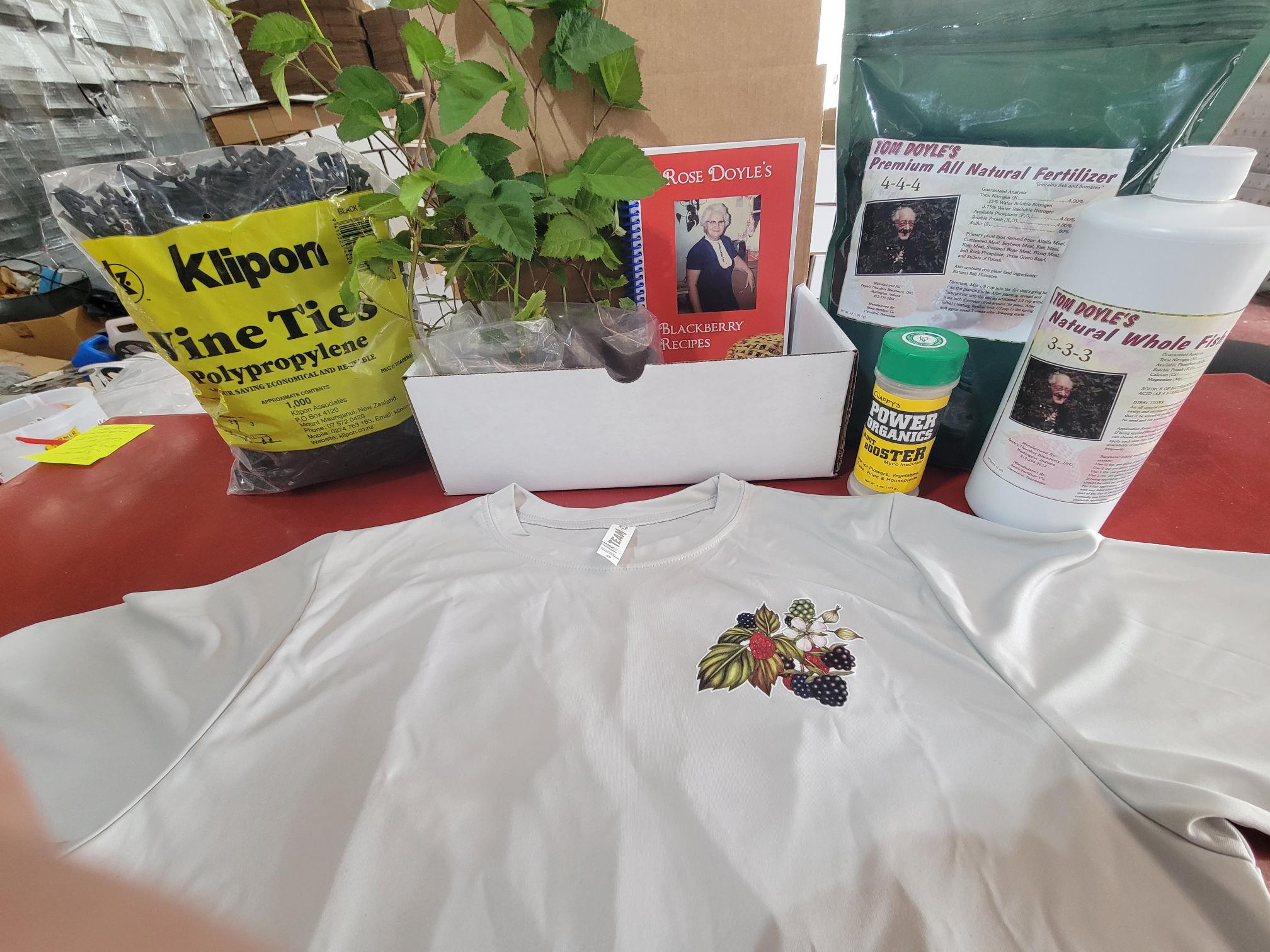
Blackberries are a delightful addition to any garden, offering a bounty of juicy, sweet fruits every summer. Growing them on a trellis not only saves space but also promotes better fruit production and ease of harvest. With the right care and attention, trellis blackberry plants can thrive and provide a generous yield. This guide will walk through the essential steps and considerations to successfully cultivate these plants.
Choosing the Right Location
Selecting the appropriate location for planting trellis blackberries is crucial. Consider the following factors:
- **Sunlight:** Blackberries require full sun to produce the best fruit. Ensure the chosen location receives at least six to eight hours of direct sunlight per day.
- **Soil:** Well-drained soil rich in organic matter is ideal. Avoid areas prone to waterlogging.
- **Space:** Plan for a trellis system that allows sufficient space for air circulation to prevent diseases.
Setting Up the Trellis System
An effective trellis system supports the blackberry canes and ensures a healthy growth environment.
Types of Trellis
- **T-Trellis:** Simple and effective for supporting multiple canes. Requires sturdy posts and horizontal wires.
- **V-Trellis:** Provides better sunlight exposure and ease of harvest, with canes trained at an angle.
For detailed insights into trellis options, consider exploring trellis blackberry plants.
Planting and Care
Once the trellis is in place, it’s time to plant and nurture the blackberry plants.
- **Planting Time:** Best planted in late winter or early spring when the soil is workable.
- **Watering:** Regular watering is essential, particularly during dry spells, but avoid overwatering.
- **Fertilization:** Apply a balanced fertilizer in early spring to promote vigorous growth.
Pruning and Maintenance
Regular pruning ensures healthy plants and abundant fruiting.
- **Prune annually:** Remove old canes after they have fruited and thin out crowded areas to improve air circulation.
- **Training new canes:** Train new growth onto the trellis as it develops to maintain structure and order.
Pest and Disease Management
Protecting blackberries from pests and diseases is crucial for maintaining plant health and fruit quality.
- **Common Pests:** Identify and manage pests such as aphids and spider mites through natural predators or insecticidal soaps.
- **Disease Prevention:** Ensure proper spacing and air circulation to minimize fungal diseases like powdery mildew.
Harvesting and Enjoying the Fruits
When it comes time to harvest, knowing the right moment to pick the berries ensures maximum flavor and sweetness.
- **Ripeness Indicator:** Berries should be deep black and easily detach from the plant.
- **Harvesting:** Pick regularly during the peak season to encourage continuous production.
With the right care and attention, growing trellis blackberry plants can be a rewarding endeavor. From choosing the perfect location to setting up a productive trellis system, each step contributes to a successful harvest. For those looking to expand or start their berry garden, trellis-grown blackberries are a fruitful choice.
