
In recent years, the intricate relationship between stress and the gut microbiome has become a focal point of scientific exploration. As researchers delve deeper into the gut-brain axis, they uncover fascinating insights into how our mental state can influence gut health and vice versa. Understanding this connection is pivotal for devising effective strategies to manage stress and promote overall well-being.
The Gut-Brain Axis: A Bidirectional Communication Pathway
The gut-brain axis refers to the complex communication network that links the central nervous system with the enteric nervous system, effectively connecting the brain with the gut. This communication is facilitated by:
- Neural pathways, primarily the vagus nerve, which transmits signals between the brain and the gut.
- Endocrine signaling, where hormones such as cortisol play a significant role in stress responses.
- Immune system interactions, where cytokines influence both gut and brain functions.
These pathways highlight the profound impact that psychological stress can have on the gut microbiome, affecting digestion, immune response, and even mood regulation. To learn about tailored solutions that address these complex interactions, discover expert strategies here.
How Stress Affects the Microbiome
Stress can lead to alterations in the gut microbiome, characterized by:
- Reduced microbial diversity, which is crucial for a resilient gut environment.
- Increased levels of pathogenic bacteria, potentially leading to inflammation and digestive issues.
- Impaired gut barrier function, resulting in a condition known as “leaky gut,” where harmful substances may enter the bloodstream.
These changes can exacerbate stress levels, creating a vicious cycle. Addressing the root cause is essential for breaking this cycle. Learn about our tailored solutions to support gut health and manage stress effectively.
The Role of Diet and Probiotics in Supporting Gut Health
Dietary Influences
Diet plays a pivotal role in maintaining a healthy gut microbiome. Consuming a balanced diet rich in:
- Fiber, which promotes the growth of beneficial bacteria.
- Fermented foods, such as yogurt and kefir, which introduce beneficial probiotics into the gut.
- Prebiotics, like garlic and onions, which serve as nourishment for good bacteria.
This dietary approach can help mitigate the negative effects of stress on the gut microbiome. For advanced guides and tips on optimizing your diet for gut health, explore advanced guides and tips.
Probiotic Supplementation
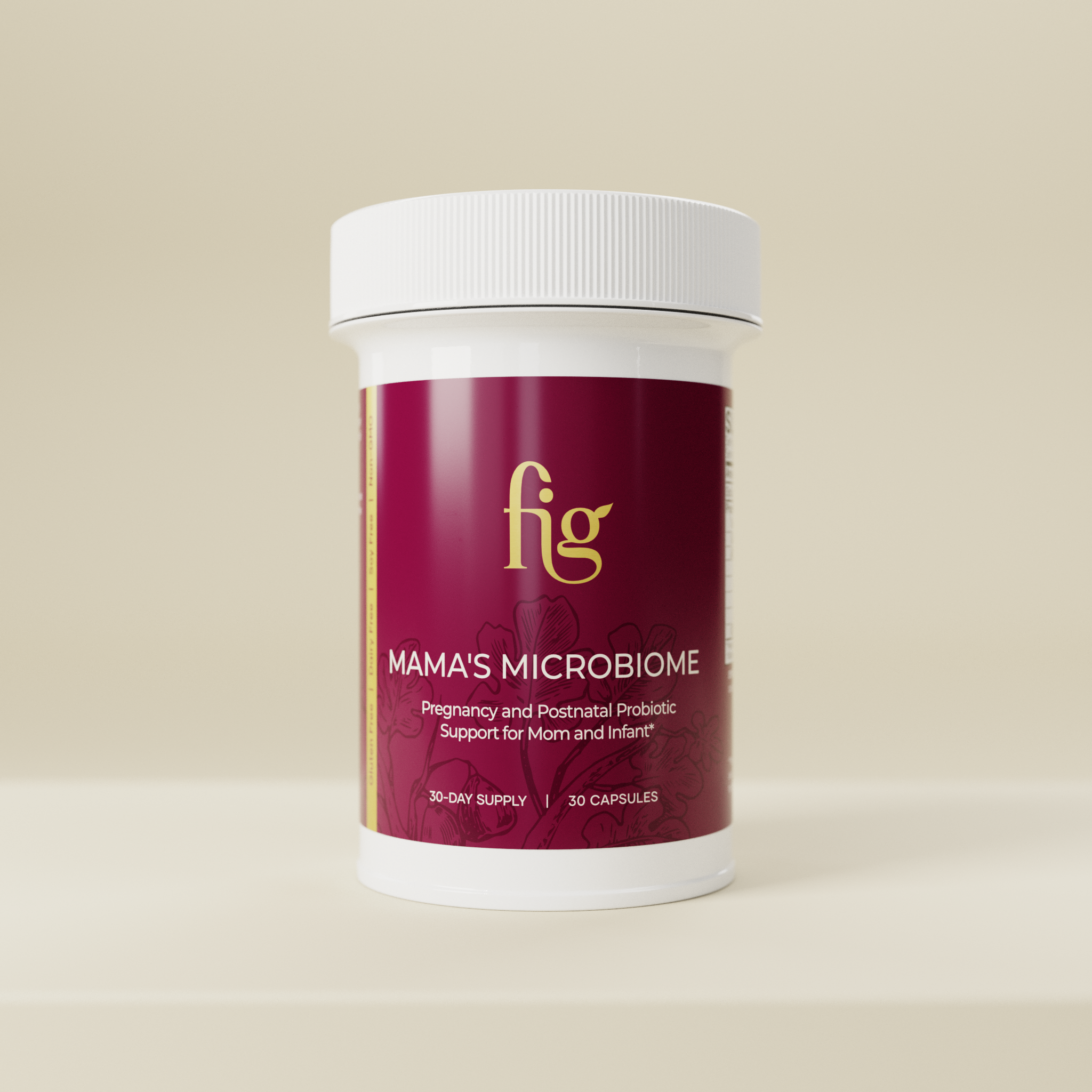
Probiotics, the beneficial bacteria, can play a crucial role in restoring balance to a stressed microbiome. Supplementation with targeted probiotic strains can:
- Enhance microbial diversity.
- Reduce inflammation and improve gut barrier function.
- Potentially alleviate symptoms of anxiety and depression.
For those interested in exploring how probiotics can aid in stress management, find out more about this approach.
Mindfulness and Stress Reduction Techniques
Integrating mindfulness practices into daily routines can significantly impact both stress levels and gut health. Techniques such as meditation, yoga, and deep-breathing exercises can:
- Reduce cortisol levels, a hormone associated with stress.
- Enhance parasympathetic nervous system activity, promoting relaxation and digestion.
- Improve overall mood and mental well-being.
To further explore how these techniques can be integrated into a lifestyle that supports gut health, discover expert strategies here.
Conclusion
The connection between stress and the microbiome underscores the importance of a holistic approach to wellness. By understanding and addressing this connection, individuals can better manage stress and promote a healthier gut. Through dietary modifications, probiotic supplementation, and mindfulness practices, it is possible to foster a balanced gut environment that supports overall well-being. For those seeking comprehensive resources, explore advanced guides and tips that provide valuable insights into this intricate relationship.
