
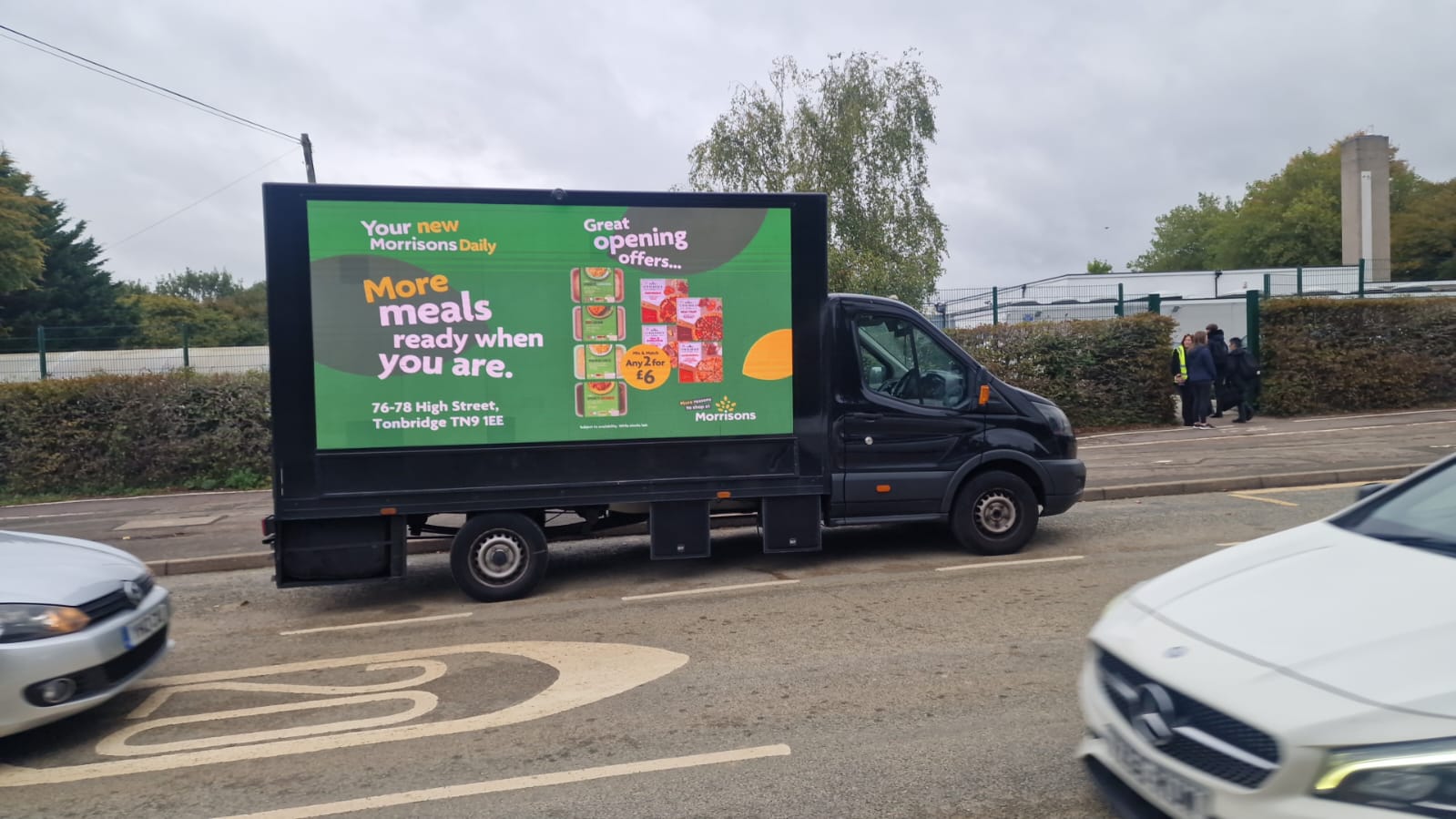
Outdoor advertising has always been a powerful tool for brands aiming to capture the attention of their target audience. However, the effectiveness of such campaigns heavily relies on strategic route planning. By meticulously crafting routes for mobile advertisements such as digital advans or billboards, brands can significantly enhance their visibility and reach. Strategic route planning involves understanding key factors such as audience demographics, traffic patterns, and optimal timing to ensure that advertising messages are seen by the right people at the right time. This article delves into the nuances of strategic route planning and its role in maximizing the impact of outdoor advertising campaigns.
The Importance of Strategic Route Planning
Strategic route planning is not merely about choosing the busiest streets or highways. It requires a deep understanding of where and when the target audience is most likely to be present. Here are some key aspects to consider:
- Audience Demographics: Identifying the demographic profile of the target audience helps to tailor routes that pass through areas where they reside or frequently visit. This involves analyzing age, gender, income levels, and lifestyle preferences.
- Traffic Patterns: Understanding traffic flow and congestion times ensures that advertisements are seen by the maximum number of people. This might involve targeting rush hour traffic, school areas during drop-off and pick-up times, or popular shopping districts during weekends.
- Timing and Frequency: The timing of the advertisement plays a crucial role in its effectiveness. Planning routes around key events or seasons can significantly boost visibility and engagement.
By focusing on these elements, brands can ensure that their advertising efforts are not only visible but resonate with the intended audience. Discover expert strategies here.
Technology’s Role in Optimization
The advent of advanced technology has revolutionized route planning for outdoor advertising. Utilizing data analytics and GPS technology, brands can:
- Analyze Real-Time Data: GPS technology allows for the collection of real-time data on traffic patterns and audience movement, enabling dynamic route adjustments to maximize exposure.
- Predict Audience Behavior: Data analytics tools can predict where potential customers are likely to be at different times of the day, allowing for more targeted advertising.
- Measure Campaign Effectiveness: Technology provides metrics and insights into the performance of advertising campaigns, helping to refine strategies for future efforts.
These technological advancements have made it possible for brands to create highly effective and responsive advertising campaigns. Learn about our tailored solutions.
Case Studies: Successful Route Planning
Examining successful case studies can provide valuable insights into effective route planning strategies. For instance, a campaign targeting young professionals might focus on routes passing through business districts or popular nightlife venues. Conversely, a family-oriented campaign may prioritize routes near schools, parks, and family-friendly events.
These real-world examples demonstrate the power of strategic route planning in enhancing the visibility and impact of outdoor advertising. Explore advanced guides and tips.
Key Takeaways
- Customized Planning: Tailoring routes to match the habits and preferences of the target audience is essential for success.
- Data-Driven Decisions: Leveraging technology to gather and analyze data can significantly enhance planning accuracy and campaign results.
- Continual Optimization: Regularly reviewing and adjusting routes based on performance data ensures sustained effectiveness.
Strategic route planning is a critical component of successful outdoor advertising campaigns. By understanding the target audience, utilizing technology, and learning from successful examples, brands can enhance their visibility and achieve greater campaign effectiveness. Find out more about this approach.
