
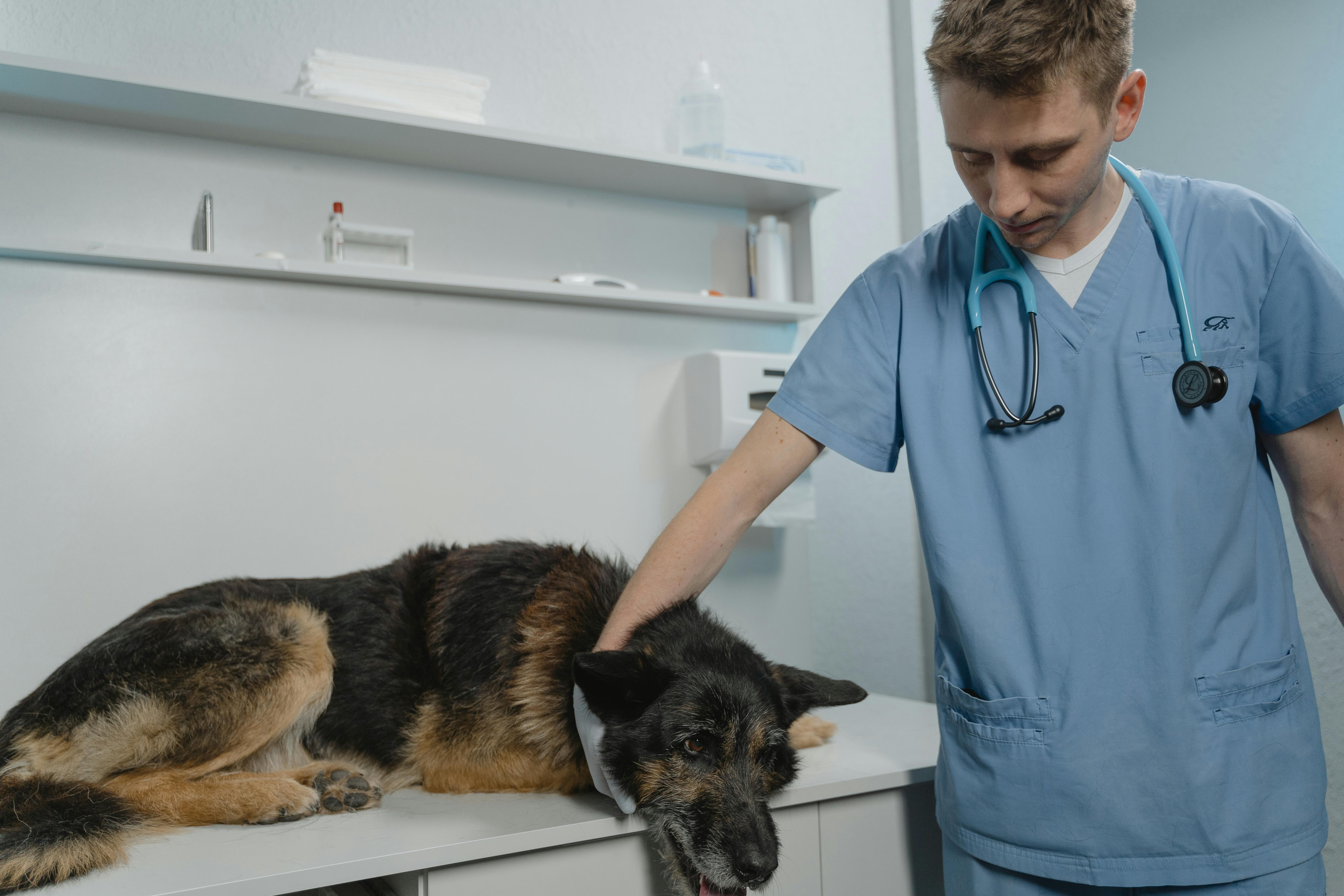
When it comes to the health of beloved pets, understanding the care options available is paramount. Pet owners often face confusion when distinguishing between an emergency vet clinic and an animal hospital, each serving distinct roles in pet healthcare. Knowing the differences can significantly impact the care and treatment a pet receives, especially in critical situations. This article delves into the nuances that differentiate these two essential pet care facilities, ensuring pet owners are well-prepared to make informed decisions when their furry friends require medical attention.
Emergency Vet Clinic: Quick Response for Critical Situations
Emergency vet clinics are specialized facilities designed to address urgent and life-threatening conditions that require immediate medical attention. These clinics are equipped to handle a wide range of emergencies, from trauma and poisoning to severe allergic reactions and acute illnesses. They are typically open outside of regular office hours, including nights, weekends, and holidays, to provide timely care when most veterinary offices are closed.
Key Features of Emergency Vet Clinics
- 24/7 Availability: Unlike regular veterinary practices, emergency vet clinics operate around the clock.
- Specialized Staff: These clinics employ veterinarians and technicians who are trained in emergency and critical care.
- Advanced Diagnostic Tools: They often have access to specialized equipment like X-rays, ultrasounds, and in-house laboratories for quick diagnosis.
- Immediate Treatment: Focused on stabilizing pets and addressing life-threatening issues promptly.
An emergency vet clinic is crucial for handling sudden, unexpected health issues, providing peace of mind to pet owners when every minute counts.
Animal Hospital: Comprehensive and Routine Care
Animal hospitals, on the other hand, offer a broader range of services encompassing both routine and specialized care. They cater to pets’ everyday health needs as well as more complex medical cases that require advanced treatment plans. These facilities are staffed with a variety of veterinary professionals, including general practitioners and specialists, to address diverse medical needs.
Key Features of Animal Hospitals
- Wide Range of Services: From vaccinations and dental care to surgeries and chronic illness management.
- Preventative Care: Regular check-ups and wellness exams to maintain pet health over time.
- Specialized Departments: Many hospitals have departments dedicated to specific fields like orthopedics, oncology, or dermatology.
- Extended Care: Facilities for hospitalization and ongoing treatment for chronic conditions.
An animal emergency hospital often forms part of an animal hospital, providing both routine care and emergency services under one roof, offering comprehensive care solutions.
Choosing the Right Facility for Your Pet’s Needs
Deciding between an emergency vet clinic and an animal hospital depends on the specific situation and the pet’s medical needs. Here are some considerations to help make the right choice:
- Nature of the Condition: For sudden, life-threatening issues, an emergency vet clinic is the best option.
- Time of Day: If the pet needs immediate care outside of normal business hours, seek an emergency clinic.
- Ongoing Health Concerns: For routine check-ups or managing chronic conditions, an animal hospital is more suited.
- Specialist Care: If the pet requires specialized treatment, an animal hospital with dedicated departments may be necessary.
Understanding the differences and capabilities of each type of facility ensures that pets receive the right level of care at the right time, effectively safeguarding their health and well-being.
Conclusion
Both emergency vet clinics and animal hospitals play vital roles in providing high-quality veterinary care. While emergency clinics are essential for urgent and critical cases, animal hospitals offer comprehensive and preventive care for pets. By understanding the distinct functions and services of each, pet owners can make informed decisions in times of need, ensuring their furry companions receive the best care possible.
