
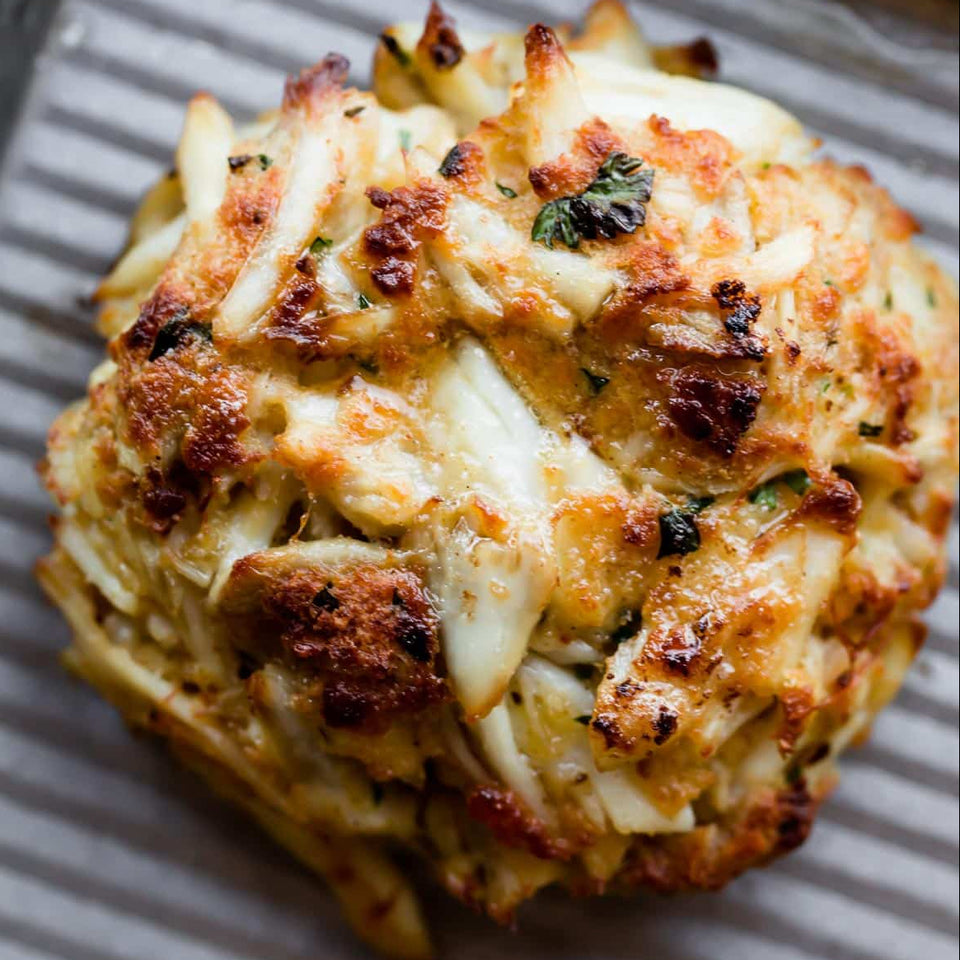
Crab cakes have long been a culinary delight, celebrated for their sweet, succulent flavor and exquisite texture. Whether enjoyed as the star of a main course or as an elegant appetizer, crab cakes can elevate any dining experience. Made from premium, fresh crab meat, these delicacies are a testament to the art of fine dining. This article explores the various elements that contribute to the ultimate crab cake experience, from the selection of ingredients to innovative serving suggestions.
Choosing the Right Crab Meat
The foundation of a great crab cake starts with selecting the right crab meat. Opting for fresh crab cakes ensures the best flavor and texture. Here are some tips for choosing your crab meat:
- Lump Crab Meat: Offers large pieces that provide a substantial texture and are ideal for traditional crab cakes.
- Jumbo Lump: Composed of the two largest lumps from the crab, offering a sweeter and more delicate taste.
- Backfin or Special: A blend of smaller pieces, perfect for those who enjoy a finer texture.
- Claw Meat: Darker in color, this variety offers a stronger flavor, ideal for those who prefer a more pronounced crab taste.
The Art of Perfect Seasoning
The seasoning of crab cakes is crucial in complementing the natural sweetness of the crab meat. Traditional seasoning includes a blend of herbs and spices that enhance the flavor without overpowering it:
- Old Bay Seasoning: A classic choice for its perfect balance of savory spices.
- Parsley: Adds a touch of freshness and color.
- Dijon Mustard: Provides a gentle kick and depth of flavor.
- Lemon Zest: Brightens the dish with citrus notes.
Cooking Techniques for Optimal Results
Cooking methods play a pivotal role in the texture and taste of crab cakes. Various techniques can be employed to achieve the perfect result:
Pan-Searing
Pan-searing is a popular method that provides a crisp, golden crust while keeping the inside moist and flavorful. It involves cooking the crab cakes in a skillet with a small amount of oil or butter over medium heat.
Baking
Baking is a healthier alternative that achieves a uniform cook without the need for additional fats. Preheat the oven to 375??F and bake the crab cakes on a parchment-lined baking sheet for about 15-20 minutes.
Broiling
For those who prefer a charred flavor, broiling offers a swift method to get a crispy exterior. Place the crab cakes on a broiler pan and cook for 5-7 minutes on each side, watching carefully to prevent burning.
Serving Suggestions
Presentation can enhance the dining experience, transforming a simple dish into a feast for the senses. Consider these serving suggestions to complement your crab cakes:
- Tartar Sauce: A classic accompaniment that adds tanginess.
- Aioli: A sophisticated choice for a creamy, garlic-infused dip.
- Fresh Greens: Serve on a bed of arugula or spinach for a fresh contrast.
- Slaw: A crunchy cabbage slaw adds texture and a hint of acidity.
Conclusion
In the world of gourmet dining, crab cakes stand out as a timeless favorite. Their versatility, combined with the rich, savory flavor of premium crab meat, makes them an ideal choice for any occasion. By selecting high-quality ingredients and employing thoughtful techniques, one can create a dining experience that is both memorable and exquisite. Explore the variety of fresh crab cakes available to discover new and exciting ways to enjoy this culinary treasure.
