
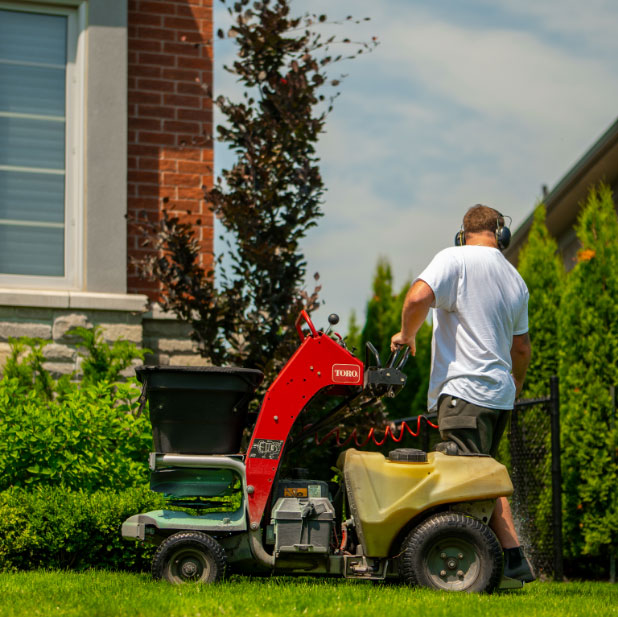
Maintaining a healthy and lush lawn is a priority for many homeowners, but achieving this goal can be challenging when faced with the destructive behavior of grubs. These tiny yet formidable pests are notorious for damaging lawns by feeding on grass roots, leading to brown patches and, in severe cases, complete lawn devastation. Implementing an effective grub control strategy is crucial for preserving the integrity of your lawn. By understanding the lifecycle of grubs and deploying timely interventions, homeowners can protect their green spaces and ensure their lawns remain vibrant and healthy.
Understanding Grub Infestation
Grubs are the larval stage of various beetles, including Japanese beetles, June beetles, and chafer beetles. These larvae reside in the soil and feed on grassroots, which can lead to:
- Thinning grass and brown patches.
- Increased vulnerability to drought and other environmental stresses.
- Potential attraction of wildlife, such as birds and raccoons, that dig up lawns to feast on grubs.
Recognizing the signs of a grub infestation early can help mitigate damage and inform the selection of an appropriate grub control service.
Effective Grub Control Strategies
A comprehensive approach to controlling grubs involves a combination of cultural, biological, and chemical strategies. Each method can be tailored to the specific needs of a lawn and the severity of the infestation.
Cultural Practices
These practices focus on making your lawn less hospitable to grubs and include:
- Maintaining healthy grass through regular watering, proper mowing, and fertilization to strengthen root systems.
- Reducing thatch buildup, which provides an ideal environment for grubs.
- Overseeding with grass varieties that are more resistant to grub damage.
Biological Control
Biological solutions provide an eco-friendly approach to managing grub populations. These methods include:
- Introducing beneficial nematodes, microscopic worms that naturally target and kill grubs.
- Applying milky spore powder, a bacterium that infects and kills certain species of grubs, particularly Japanese beetle larvae.
Chemical Treatments
In cases of severe infestation, chemical treatments may be necessary for effective grub control. These treatments should be applied with precision and care to avoid unintended damage to the environment. Considerations include:
- Choosing the appropriate insecticide based on the specific type of grub and the stage of its lifecycle.
- Timing applications to align with the peak activity period of grubs to maximize effectiveness.
- Following all safety guidelines and application instructions provided by the manufacturer.
Timing and Monitoring
The timing of interventions is critical in maximizing the effectiveness of grub control measures. Grubs are most vulnerable during their early stages, typically late summer and early fall. Regular monitoring of lawn health can help identify the presence of grubs and guide the timing of control measures. Consistent observation and prompt action ensure that any signs of damage are addressed swiftly, minimizing the impact on your lawn.
Conclusion
Protecting a lawn from grub infestations requires a well-thought-out strategy that incorporates a variety of control methods. By understanding the habits of grubs and implementing timely interventions, homeowners can maintain the beauty and health of their lawns. For those seeking expert assistance, a professional grub control service can provide the necessary expertise and resources to effectively manage and prevent grub-related damage. Taking proactive steps today ensures a lush, green lawn for years to come.
