
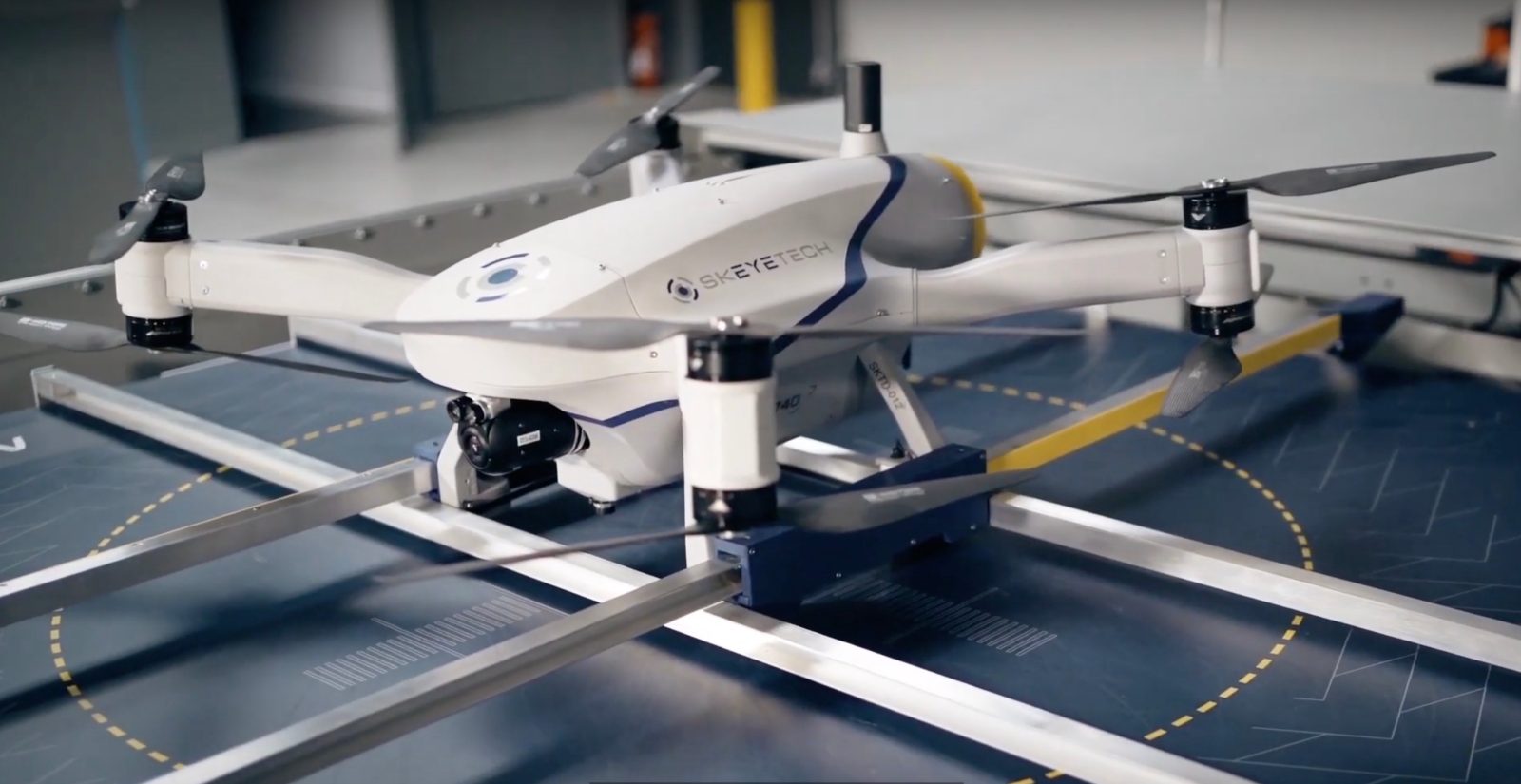
In recent years, drone technology has emerged as a formidable tool in various fields, from agriculture to logistics. One of the most promising and critical applications of drones is in radiation detection. As concerns over nuclear safety and environmental monitoring increase, leveraging drones for radiation detection offers a revolutionary approach to ensure safety and efficiency. By facilitating real-time data collection and analysis, drones can significantly enhance the accuracy and speed of radiation monitoring operations.
Advantages of Using Drones for Radiation Detection
Drones equipped with radiation detection sensors provide several advantages over traditional methods. These benefits make them an indispensable asset in modern radiation monitoring efforts.
- Safety: Drones can access hazardous areas without risking human lives. This capability is crucial in environments with high radiation levels where human presence could be perilous.
- Efficiency: By covering large areas swiftly, drones facilitate faster data collection and analysis, which is vital in emergency situations where time is of the essence.
- Precision: Equipped with advanced sensors, drones can detect minute levels of radiation, enabling precise mapping of contaminated zones.
- Cost-effective: The deployment of drones reduces the need for expensive equipment and extensive manpower, leading to significant cost savings.
Applications in Various Sectors
Nuclear Facility Monitoring
Nuclear facilities require constant monitoring to ensure safety and compliance with regulatory standards. Drones can play a pivotal role in this domain:
- Conducting routine inspections of nuclear plants without interrupting their operations.
- Providing rapid assessment and response in case of leaks or accidents.
- Monitoring radiation levels in real-time, allowing for immediate corrective actions.
To delve deeper into these applications, learn about our tailored solutions and how they can elevate nuclear safety protocols.
Environmental Monitoring and Disaster Response
Environmental agencies and disaster response teams can significantly benefit from drone technology:
- Mapping radiation in remote or inaccessible areas, aiding in environmental conservation efforts.
- Supporting disaster response operations by quickly identifying affected areas.
- Assessing the impact of nuclear fallout and planning remediation strategies accordingly.
For further insights into efficiently tackling such challenges, explore advanced guides and tips available through expert resources.
Technological Advancements and Future Prospects
The integration of cutting-edge technology into drone systems continues to evolve, promising even greater capabilities in radiation detection:
- Development of more sensitive sensors that can detect lower radiation levels with higher accuracy.
- Incorporation of artificial intelligence to enhance data processing and predictive analysis.
- Improvement in battery life and flight endurance, allowing for extended monitoring missions.
These advancements signify a promising future for drone technology in radiation detection. To understand the scope of these innovations, discover expert strategies here that outline the trajectory of this evolving field.
Conclusion
Drones are transforming the landscape of radiation detection, offering unparalleled safety, efficiency, and precision. As technology advances, their role in ensuring environmental and nuclear safety is set to expand. By embracing these innovations, organizations can enhance their monitoring capabilities, safeguard human health, and protect the environment. To find out more about this approach and its practical applications, find out more about this approach and how it can be integrated into existing safety protocols.
