
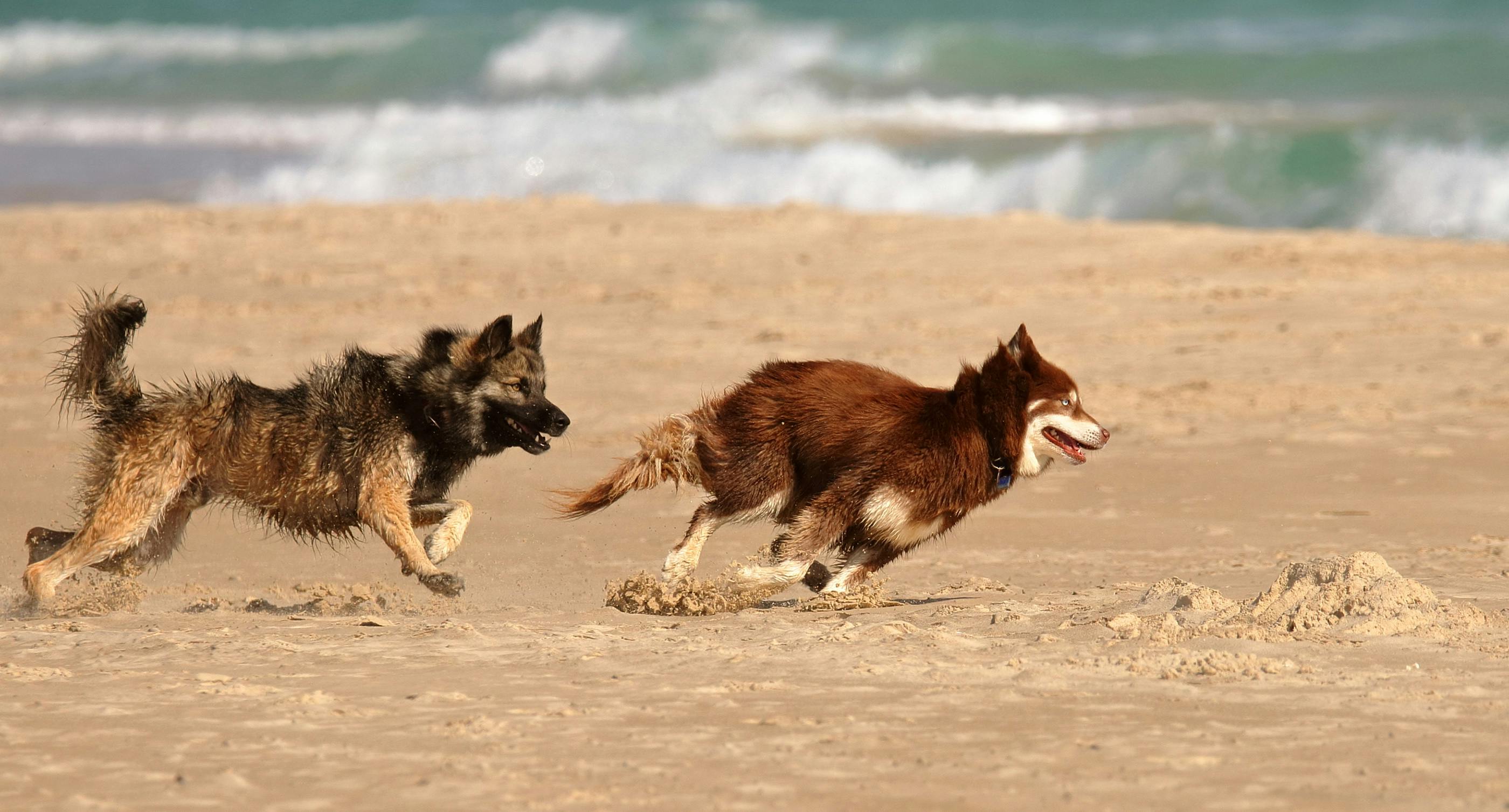
Finding a trustworthy dog runner can transform a busy pet owner’s routine, ensuring that a beloved canine receives regular exercise, mental stimulation, and social interaction. With the rise of specialized pet-care services, selecting the right professional requires more than a quick online search. This guide breaks down the essential factors to consider, outlines practical steps for vetting candidates, and highlights resources that streamline the decision-making process.
Why Professional Dog Running Matters
Professional dog runners bring expertise that goes beyond a simple walk. Their training focuses on:
- Maintaining optimal cardiovascular health for active breeds.
- Providing breed-specific pacing to prevent injuries.
- Incorporating mental challenges such as scent work and agility drills.
- Ensuring safety through knowledge of local parks, traffic patterns, and weather considerations.
Key Criteria for Selecting a Reliable Dog Runner
Credentials and Experience
Look for individuals who possess certifications from recognized organizations (e.g., Canine Fitness Association) and have documented experience with the specific breed or size of your dog. A solid track record often appears on professional profiles or through client testimonials.
Insurance and Background Checks
Liability insurance protects both the pet and the owner in case of accidents. Additionally, a background check demonstrates a commitment to safety and professionalism.
Communication and Compatibility
Effective communication ensures that the runner understands your dog’s unique needs, medical conditions, and behavior cues. A brief meet-and-greet session can reveal whether the runner’s style matches your pet’s temperament.
How to Find Local Dog Runners
Several avenues can help locate qualified runners in your vicinity:
- Online directories that filter by location, certification, and client ratings.
- Veterinary office bulletin boards and recommendation lists.
- Community groups on social media platforms focused on pet care.
- Specialized websites that curate vetted professionals, Discover expert strategies here.
Evaluating Service Offerings
Different providers may offer varied packages. Consider the following aspects when comparing options:
- Frequency and Duration: Daily, weekly, or on-demand sessions ranging from 30-minute jogs to hour-long runs.
- Group vs. Solo Runs: Group runs provide socialization, while solo sessions cater to dogs that are anxious around other animals.
- Additional Amenities: Post-run grooming, hydration packs, and real-time GPS tracking.
- Customization: Tailored programs that adjust intensity based on age, health, and fitness goals, Learn about our tailored solutions.
Safety Protocols Every Dog Runner Should Follow
Professional standards include:
- Pre-run health checks (temperature, heart rate, joint mobility).
- Use of appropriate leashes, harnesses, and reflective gear.
- Emergency action plans, including contact information for the owner and a nearby veterinary clinic.
- Adherence to local leash laws and park regulations.
Cost Considerations and Value Assessment
Pricing varies widely based on geography, experience, and service scope. While lower rates may be tempting, assess value by weighing:
- Certification and insurance coverage.
- Frequency of communication and progress reports.
- Added benefits such as photo updates or activity logs.
- Overall client satisfaction reflected in reviews, Explore advanced guides and tips.
Maintaining a Long-Term Partnership
Consistency is key for a dog’s fitness regimen. To foster a lasting relationship with a runner:
- Provide regular feedback on performance and any health changes.
- Schedule periodic reassessments to adjust intensity or route.
- Stay informed about new training techniques, Find out more about this approach.
Conclusion
Choosing a reliable dog runner involves careful evaluation of credentials, safety practices, and service customization. By leveraging reputable directories, conducting thorough interviews, and prioritizing clear communication, pet owners can secure a partner who enhances their dog’s physical health and emotional wellbeing. The right runner not only meets logistical needs but also contributes to a happier, healthier canine companion.
