
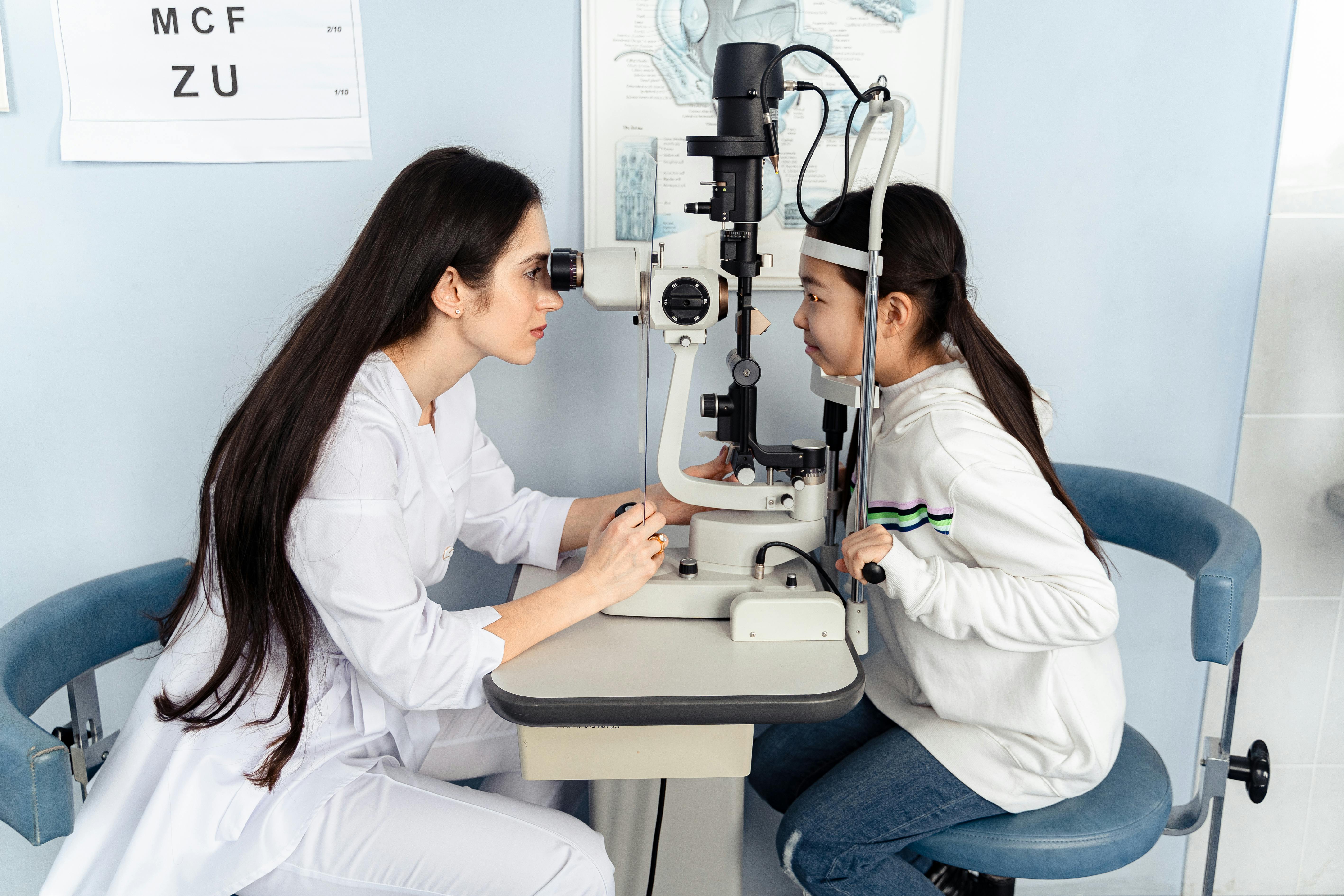
Hearing is a vital sense that plays a significant role in communication, safety, and quality of life. With the increasing noise pollution in urban environments and the use of personal audio devices, the risk of hearing loss has become a pressing concern. Regular hearing assessments are crucial for early detection and management of hearing-related issues. A reliable hearing test clinic can provide accurate assessments, helping individuals maintain their auditory health and address potential problems promptly.
Importance of Regular Hearing Tests
Regular hearing tests are essential for several reasons:
- Early Detection: Hearing loss can occur gradually, often going unnoticed until significant impairment has developed. Early detection through regular assessments can prevent further deterioration.
- Effective Management: Identifying hearing issues early allows for timely intervention, potentially improving the outcome of treatment.
- Quality of Life: Addressing hearing loss can significantly enhance communication abilities, reducing isolation and improving social interactions.
For more on the importance of hearing health, read more about this topic.
Understanding the Hearing Test Process
Initial Consultation
The first step in a hearing test is an initial consultation. During this phase, a thorough medical history is taken to understand any potential factors affecting hearing. This may include:
- Previous ear infections or surgeries
- Exposure to loud noises
- Family history of hearing loss
Conducting the Hearing Test
The hearing test itself typically involves a series of evaluations designed to measure hearing sensitivity and identify any impairments. Common tests include:
- Pure-tone Testing: Involves listening to tones at various pitches and volumes to determine the faintest sounds the ears can hear.
- Speech Testing: Assesses the ability to hear and repeat words at different volumes, offering insight into speech comprehension.
- Tympanometry: Measures the movement of the eardrum, helping identify middle ear issues.
Learn more in this detailed guide about the hearing test process and what to expect.
Choosing the Right Clinic
When selecting a hearing test clinic, several factors should be considered to ensure accurate and reliable results:
- Qualified Professionals: Ensure the clinic employs licensed audiologists with the necessary expertise and experience.
- Comprehensive Services: A good clinic should offer a range of tests and follow-up care, including hearing aids and rehabilitation services.
- State-of-the-art Equipment: Advanced diagnostic tools are essential for accurate assessments.
Explore further insights here on how to choose the right clinic for hearing assessments.
Benefits of Accurate Hearing Assessments
Accurate hearing assessments offer numerous benefits:
- Personalized Treatment Plans: Precise diagnosis allows for tailored treatment plans, addressing the specific needs of the individual.
- Improved Outcomes: With accurate assessments, interventions can be more effective, leading to better hearing health outcomes.
- Peace of Mind: Knowing one”?s hearing status provides reassurance and reduces anxiety about potential hearing loss.
For additional information on the benefits of accurate hearing assessments, find additional information here.
Conclusion
In conclusion, regular hearing tests are a crucial component of maintaining overall health and well-being. Selecting a reliable clinic with qualified professionals and state-of-the-art equipment ensures accurate results, leading to effective management of hearing health. Staying informed and proactive about hearing health can greatly enhance quality of life and communication abilities.
