
Sleep apnea is a common sleep disorder characterized by repeated interruptions in breathing during sleep. These interruptions can lead to significant daytime fatigue, cardiovascular problems, and other health issues. While continuous positive airway pressure (CPAP) devices are commonly used to treat sleep apnea, oral appliance therapy (OAT) offers a compelling alternative for many individuals. This form of therapy, often recommended for those with mild to moderate obstructive sleep apnea (OSA), involves the use of a specialized dental device to maintain an open airway during sleep. Understanding the nuances of oral appliance therapy can help individuals make informed decisions regarding their sleep health.
What is Oral Appliance Therapy?
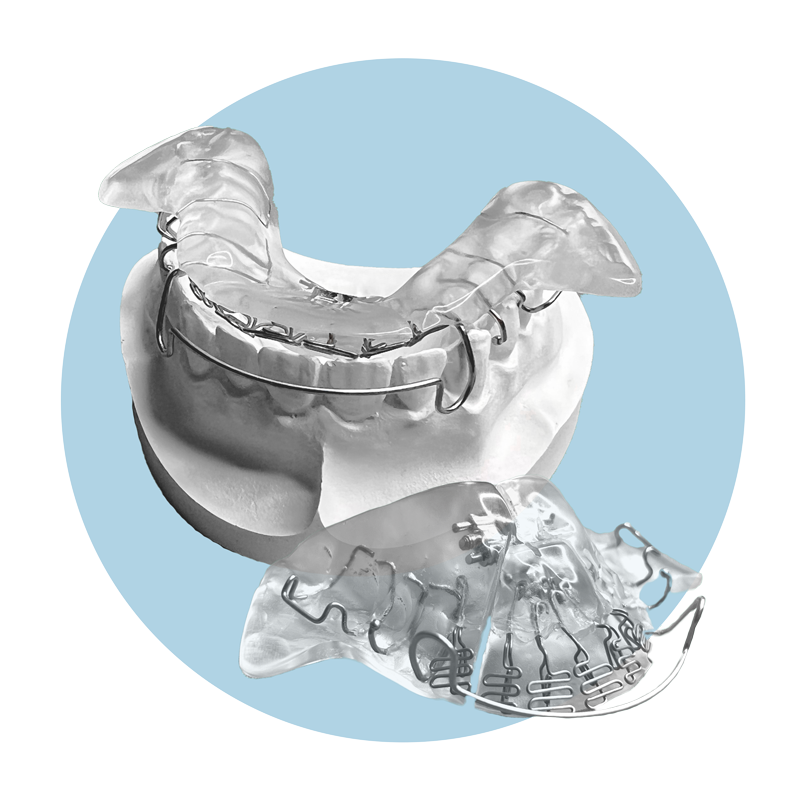
Oral appliance therapy involves the use of a custom-fitted mouthpiece that adjusts the position of the jaw and tongue to keep the airway open during sleep. This therapy is particularly beneficial for those who find CPAP machines uncomfortable or unsuitable. The appliances are designed to be comfortable, portable, and easy to use, making them an appealing choice for many.
Benefits of Oral Appliance Therapy
- Non-invasive and reversible treatment option.
- Improves sleep quality and reduces daytime sleepiness.
- Portable and easy to maintain.
- Custom-fitted to ensure maximum comfort and effectiveness.
- Potentially improves overall health by reducing cardiovascular risks associated with sleep apnea.
For those seeking guidance on using this therapy effectively, discover expert strategies here that have been tailored to meet individual needs.
How Does Oral Appliance Therapy Work?
The primary goal of oral appliance therapy is to prevent the airway from collapsing during sleep. The device works by repositioning the lower jaw, tongue, and soft tissues of the throat. This adjustment helps to keep the airway open, allowing for uninterrupted breathing throughout the night.
Types of Oral Appliances
- Mandibular Advancement Devices (MADs): These are the most common type of oral appliances. They function by holding the lower jaw slightly forward to keep the airway open.
- Tongue Retaining Devices (TRDs): These devices hold the tongue in a forward position to prevent it from blocking the airway.
To determine the most suitable type of oral appliance, it’s essential to consult with a qualified sleep specialist. Learn about our tailored solutions to find the right device for individual needs.
Who Can Benefit from Oral Appliance Therapy?
Oral appliance therapy is ideal for individuals with mild to moderate OSA who are not suitable candidates for CPAP therapy or prefer a less intrusive option. It is also beneficial for those who travel frequently or sleep in various locations, as the device is portable and does not require electricity.
Before beginning treatment, a thorough assessment by a healthcare professional is crucial to ensure the effectiveness of the therapy. Explore advanced guides and tips to understand how oral appliance therapy can be integrated into a comprehensive treatment plan.
Considerations and Potential Side Effects
Like any medical treatment, oral appliance therapy has its considerations and potential side effects. It’s important to be aware of these to make an informed decision:
- Initial discomfort or soreness of the jaw.
- Excessive salivation or dryness of the mouth.
- Potential for changes in bite or dental alignment over time.
Regular follow-ups with a dental or sleep specialist are recommended to monitor the fit and effectiveness of the appliance. Find out more about this approach to manage sleep apnea effectively.
Conclusion
Oral appliance therapy presents a valuable alternative for managing sleep apnea, particularly for those who find traditional methods challenging. By maintaining an open airway during sleep, these devices help improve sleep quality and overall health. Consultation with a healthcare provider is essential to ensure the proper selection and use of oral appliances. With expert guidance and support, individuals can achieve better sleep and enhanced well-being.
