
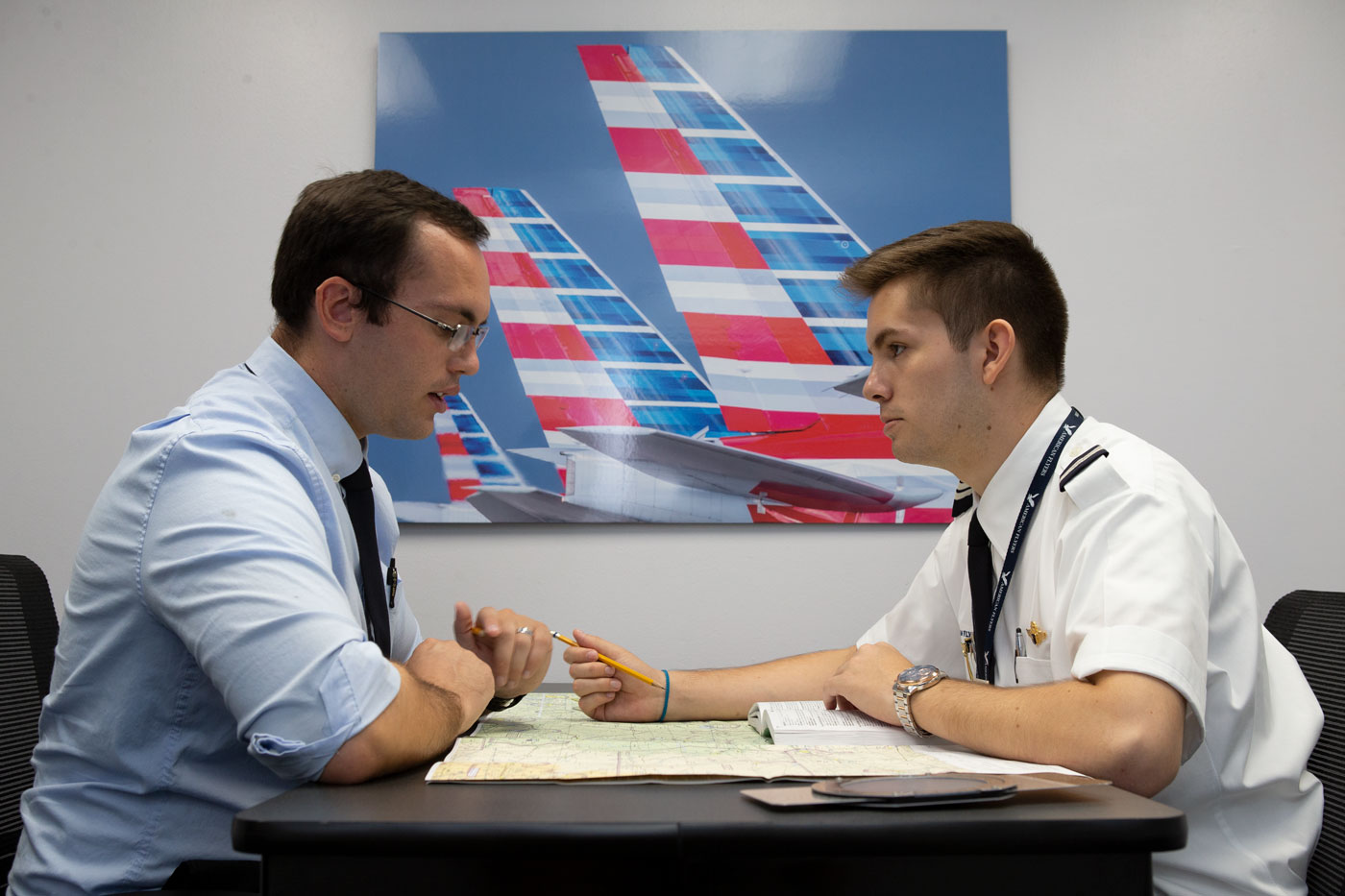
Embarking on the journey to become an airline pilot is a significant commitment that demands dedication, training, and a comprehensive understanding of aviation principles. Aspiring pilots must navigate through a structured learning path that includes various specialized classes and training modules. Understanding these essentials is key to successfully progressing through a flight school and achieving the coveted role of an airline pilot. This article delves into the critical components of airline pilot classes, providing insight into what students can expect as they advance through their training.
Ground School
Ground school serves as the foundation of flight training, delivering the theoretical knowledge necessary for flying. It covers a wide range of topics, including but not limited to:
- Aerodynamics and aircraft systems
- Weather patterns and meteorology
- Navigation and flight planning
- Aviation regulations and procedures
Ground school is integral to the training process, ensuring that students are well-versed in the fundamentals before they take to the skies. Learn about our tailored solutions for mastering these essential topics.
Flight Simulator Training
Before piloting an actual aircraft, students engage in flight simulator training. This stage allows them to apply theoretical knowledge in a controlled environment. Key benefits include:
- Realistic cockpit experience without the risks associated with real flight
- Opportunity to practice emergency procedures and scenarios
- Development of instrument flying skills
Simulators are crucial for building confidence and competence, providing a practical platform to hone skills. Discover expert strategies here to maximize the benefits of flight simulator training.
Flight Training
Actual flight training is the core of a pilot?s education, where theoretical knowledge and simulator practice converge into real-world flying experience. This phase includes:
- Dual instruction flights with a certified instructor
- Solo flights to build autonomy and confidence
- Cross-country flights to practice navigation
- Night flights to understand the challenges of flying in low visibility
Every flight hour is critical, contributing to the pilot’s total flight time and experience. Explore advanced guides and tips to enhance proficiency during flight training.
Advanced Training Modules
As students progress, they encounter advanced modules that prepare them for specific certifications and roles within the aviation industry. Some of these include:
- Instrument Rating (IR) for flying in various weather conditions
- Multi-Engine Rating (ME) for operating larger aircraft
- Commercial Pilot License (CPL) for professional piloting
- Airline Transport Pilot License (ATPL) for airline-level operations
These certifications are vital for career advancement and open doors to numerous opportunities within the aviation sector. Find out more about this approach to acquiring essential certifications.
Conclusion
The path to becoming an airline pilot is comprehensive and rigorous, designed to ensure that graduates are fully equipped to handle the demands of the profession. From ground school to advanced certifications, each component of the training is essential in shaping competent and confident pilots. Aspiring aviators are encouraged to thoroughly understand each phase of their training process and take advantage of available resources to succeed in this challenging yet rewarding career path.
